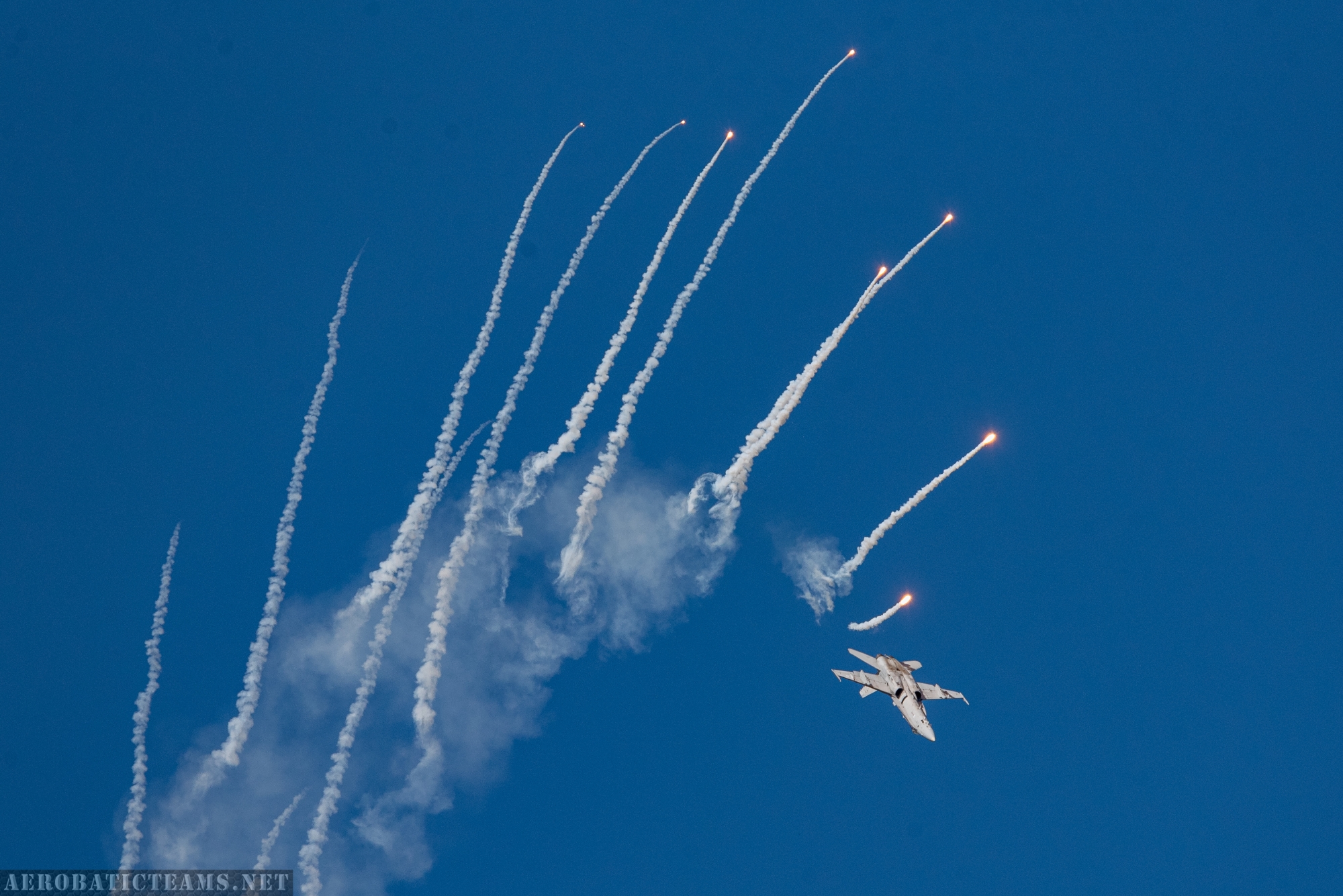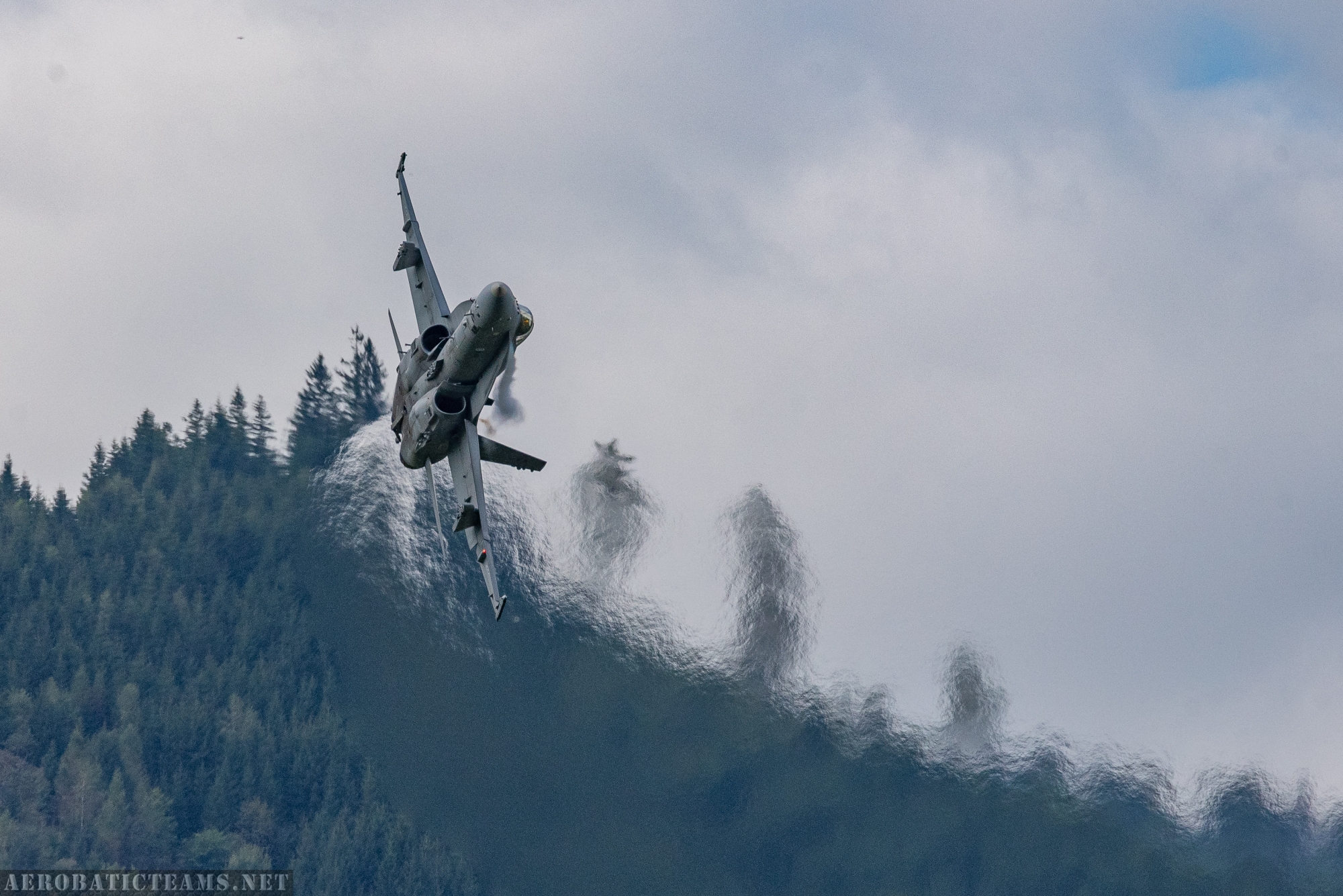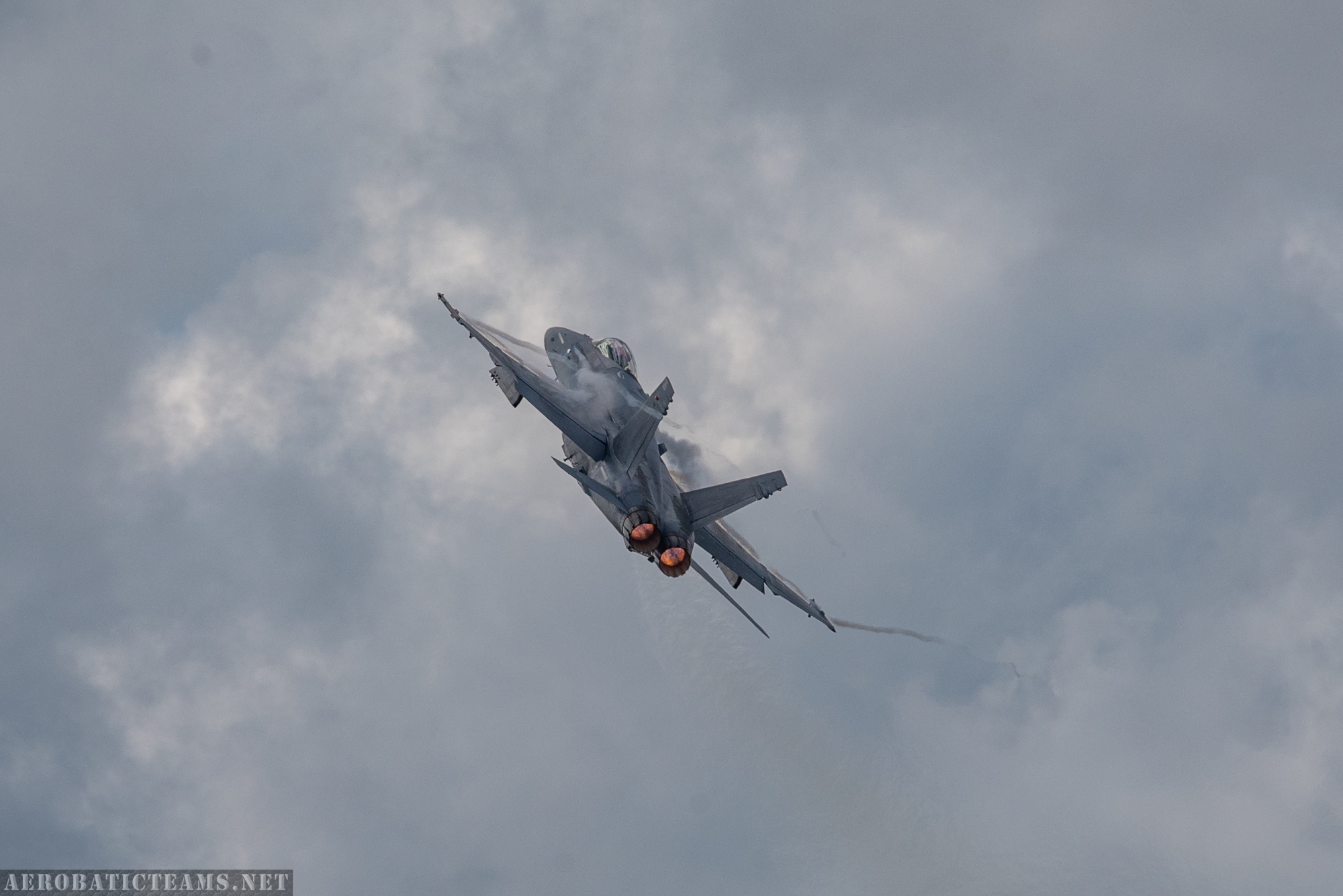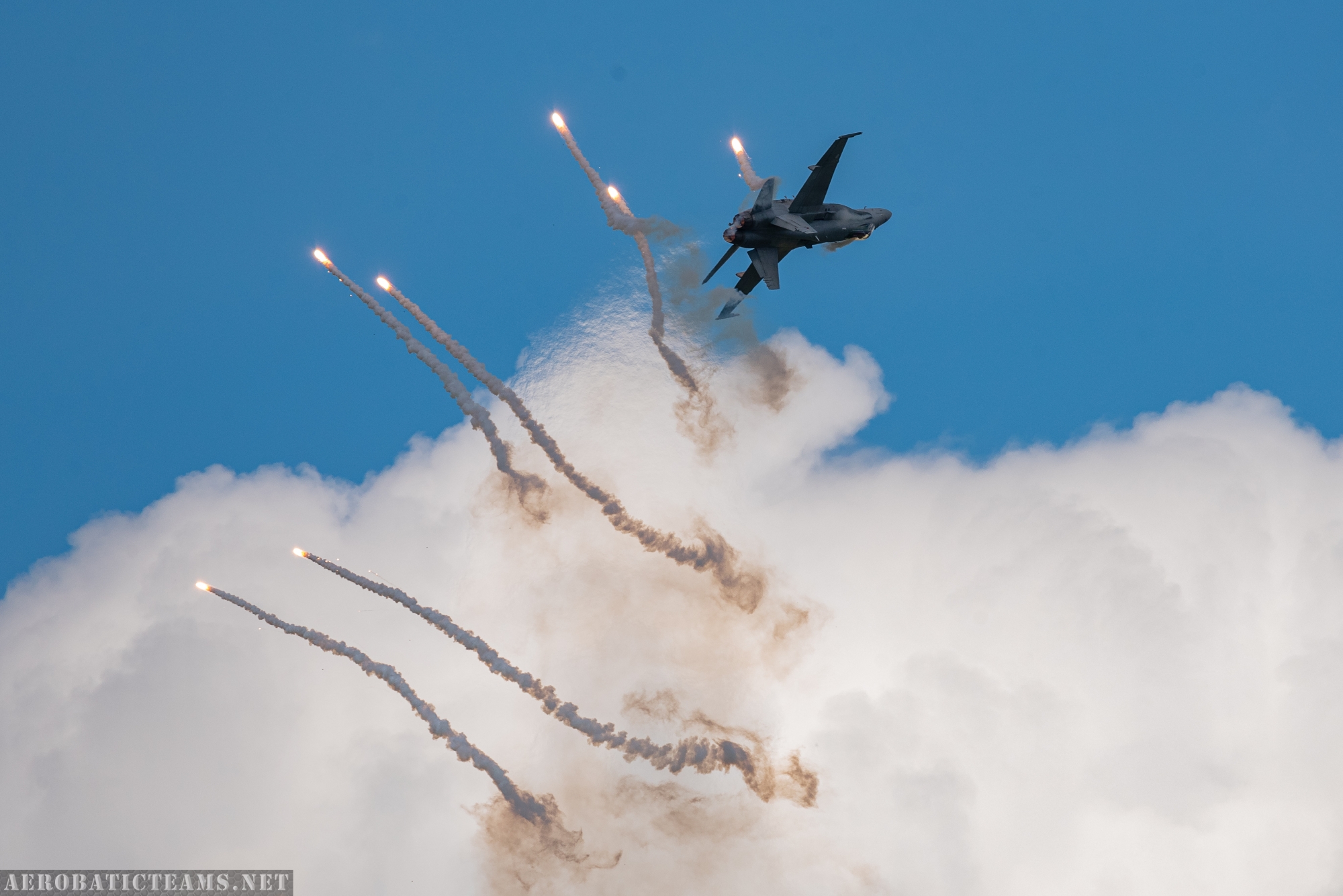
AIRPOWER24, held on 6 and 7 September 2024 at Hinterstoisser Air Base in Zeltweg, Styria, Austria, was one of the largest and most spectacular aviation events in Europe. Organized by the Austrian Armed Forces together with the Province of Styria and Red Bull, the event brought together military aviation, civilian aircraft, historic warbirds, aerobatic teams and aviation enthusiasts from across Europe. Under the motto “Flying. Freedom. Enthusiasm.”, AIRPOWER24 offered visitors an unforgettable weekend dedicated to the fascination of flight.
AIRPOWER24 Airshow was the 11th edition of the event and once again demonstrated why the Zeltweg airshow has become an important meeting point for aviation enthusiasts. More than 200 aircraft from around 20 nations were involved, including aircraft of the Austrian Armed Forces, international military participants, civilian aircraft and the famous Flying Bulls collection. The Austrian Armed Forces alone participated with more than 40 aircraft, while the Flying Bulls brought dozens of aircraft and helicopters to the event.
The show combined flying displays with a large static exhibition, allowing visitors not only to watch aircraft in the sky but also to see many of them on the ground. Modern fighter aircraft, transport aircraft, helicopters, training aircraft, historic machines and civilian aircraft all formed part of the diverse programme.
The flying programme was the heart of AIRPOWER24. Throughout the two-day event, spectators could watch aircraft performing high-speed passes, formation flights, aerobatic manoeuvres and tactical demonstrations.
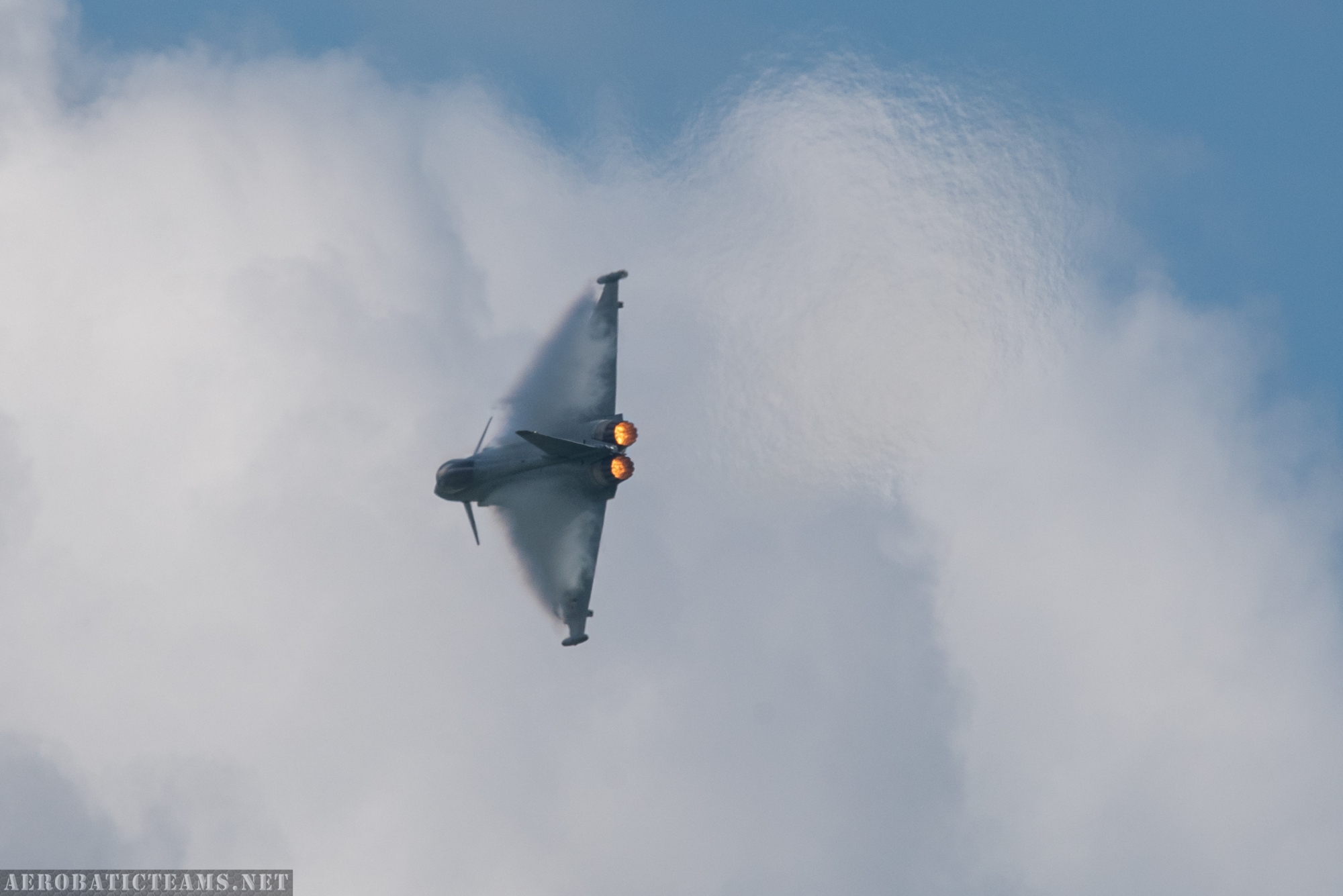
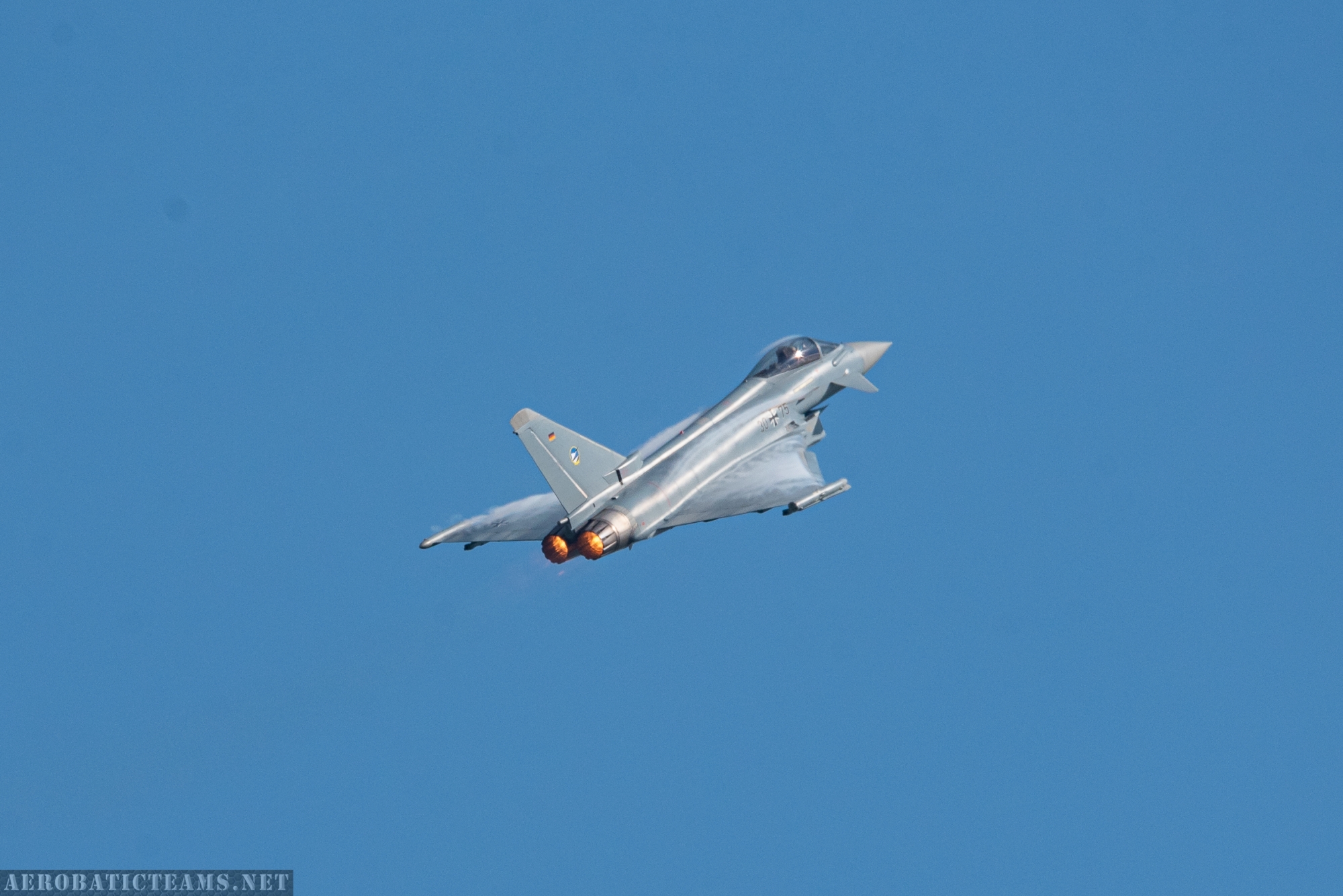
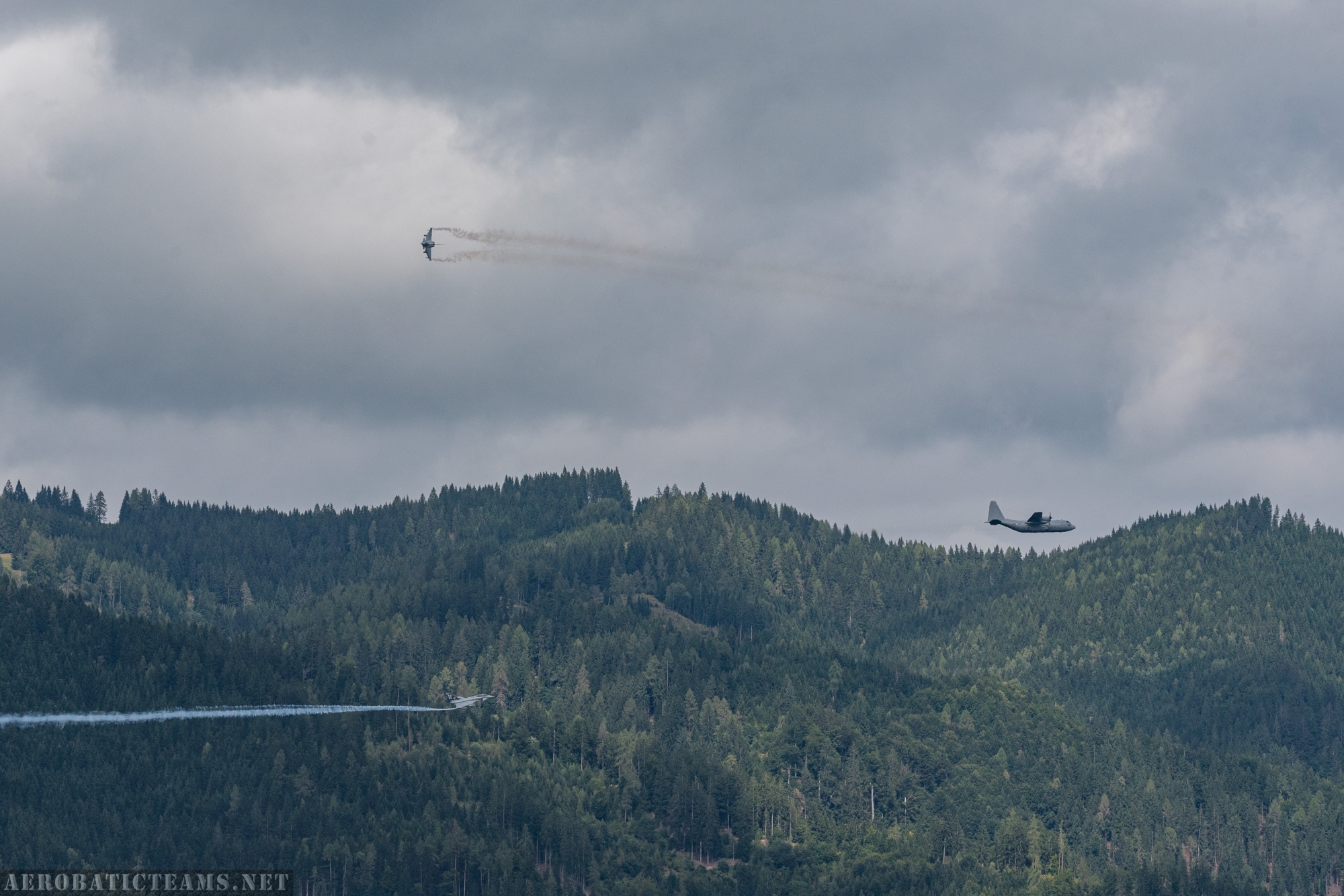
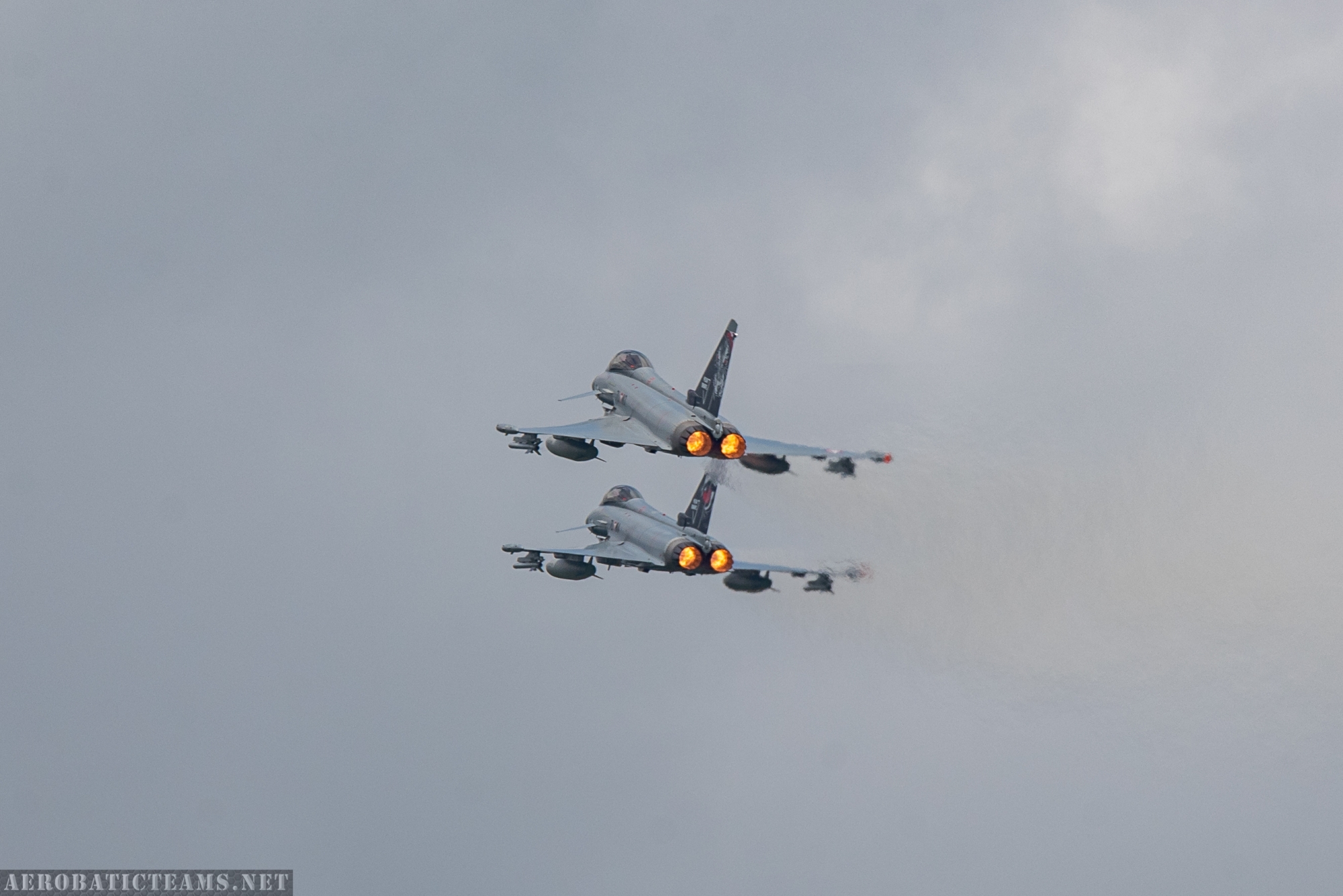
One of the particularly memorable moments was the Eurofighter demonstration, including a simulated dogfight between two Austrian Eurofighters. The performance demonstrated the speed, agility and manoeuvrability of the aircraft and was met with enthusiastic applause from the crowd.
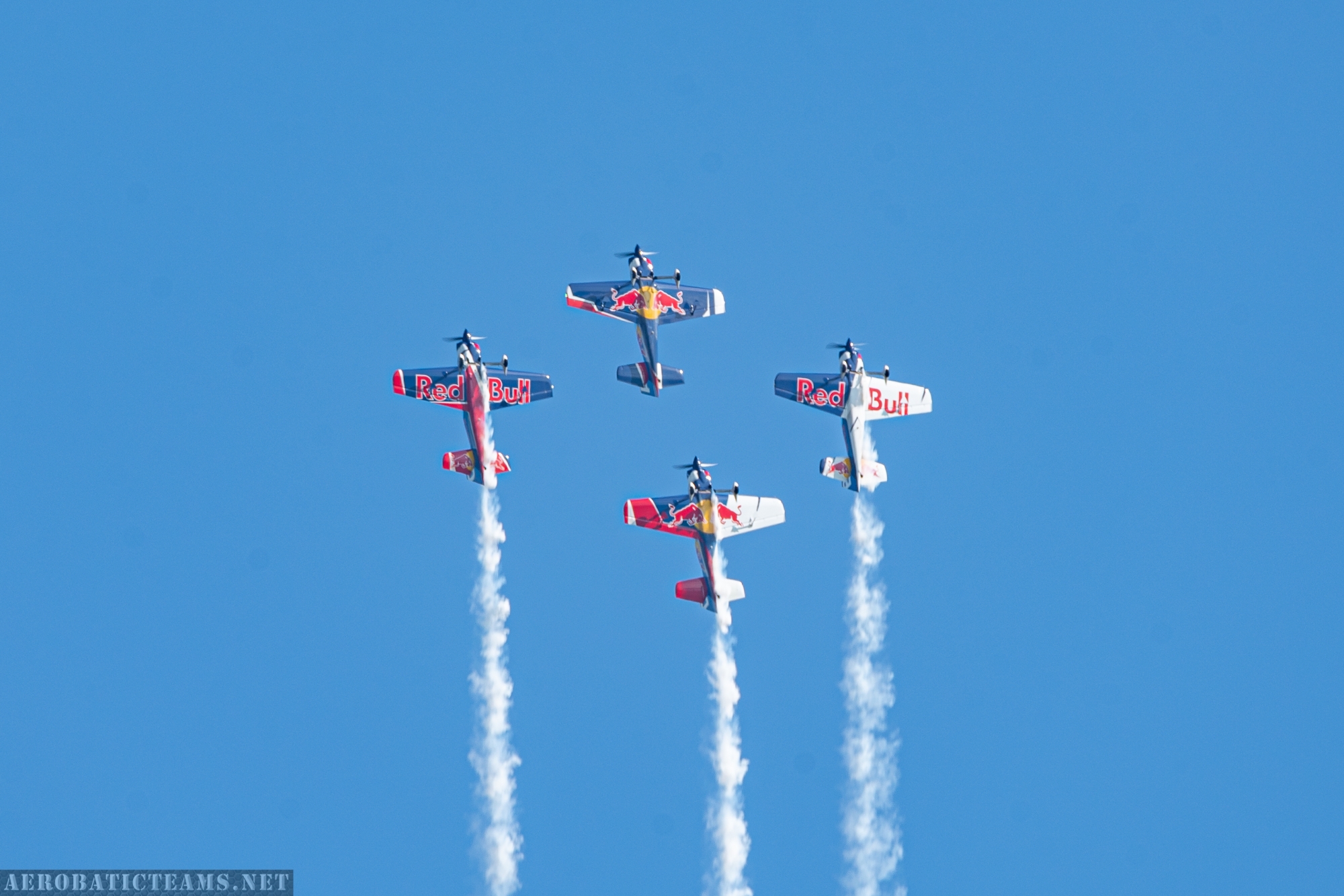
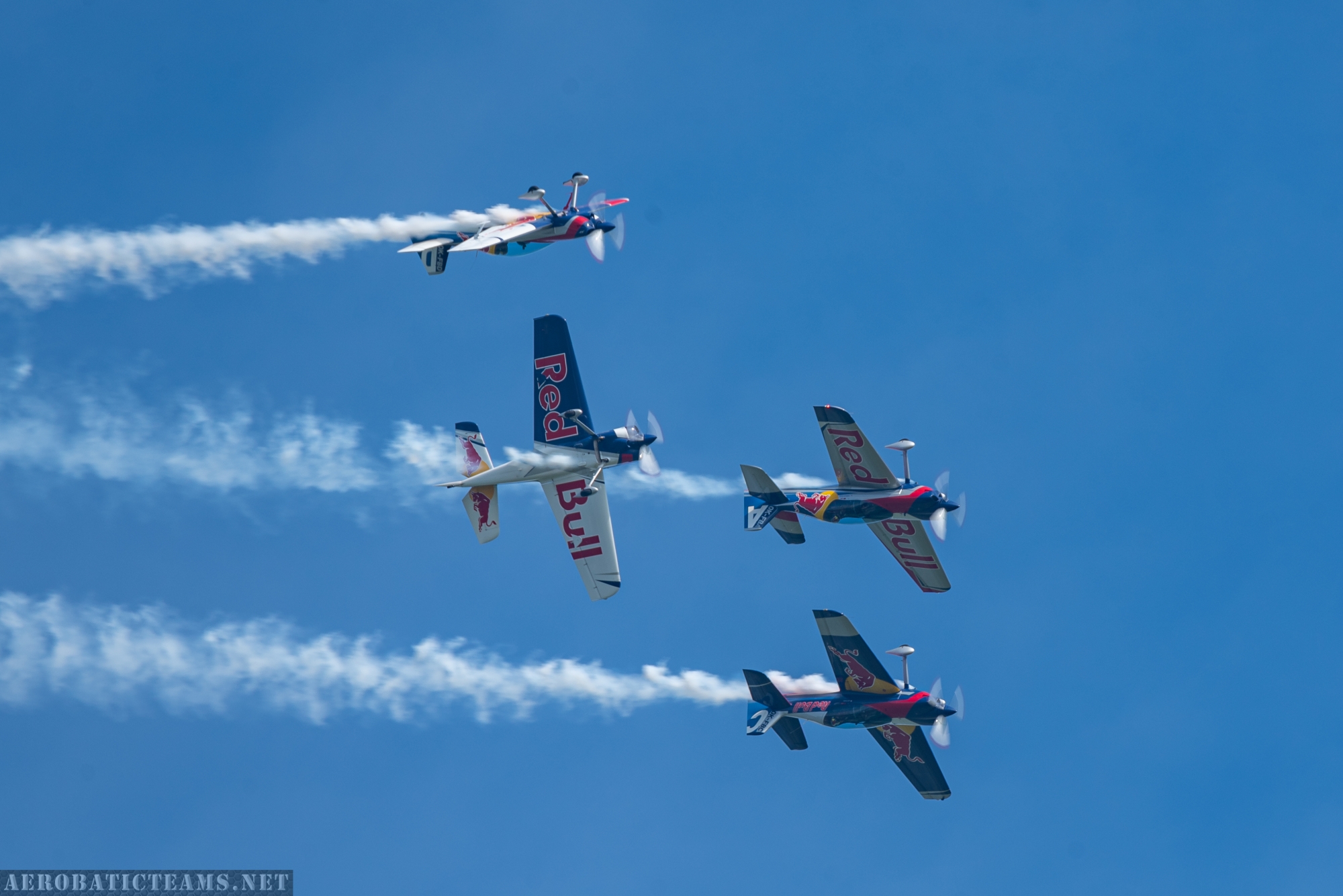
The Flying Bulls were another major attraction. Their collection represents an important part of aviation history, with aircraft ranging from classic propeller aircraft to helicopters and other historically significant machines. Their participation added a strong civilian and historic dimension to the predominantly military event.
The scale of AIRPOWER24 was enormous. Approximately 250,000 people attended the event over the two days, making it a major public gathering as well as an aviation spectacle. The event was free of charge, which helped make it accessible to families, aviation enthusiasts and visitors from many different countries.
Few aviation events in Europe can match the scale, variety and atmosphere of AIRPOWER24. Held on 6 and 7 September 2024 at Hinterstoisser Air Base in Zeltweg, Austria, the 11th edition of the event brought together military aviation, historic aircraft, aerobatic teams, modern combat aircraft and some of the world's most spectacular flying machines.
One of the defining characteristics of AIRPOWER24 was its international character. The flying programme brought together aircraft from Austria, Germany, Italy, Switzerland, Finland, Greece, Hungary, Slovenia, Croatia, Spain, the Czech Republic and the United States, among others.
The variety was extraordinary. Modern fourth- and fifth-generation fighters shared the programme with transport aircraft, helicopters, historic warbirds, aerobatic teams and high-performance civilian aircraft.
Among the most anticipated participants were the Eurofighter Typhoon, F-16 Fighting Falcon, F/A-18 Hornet, F-35A Lightning II, Saab Gripen, A400M Atlas, C-130 Hercules, C-27J Spartan, T-346 Master, PC-9, Me 262 and a remarkable collection of historic aircraft operated by the Flying Bulls.
The Austrian Eurofighter Typhoon was one of the stars of the show. The aircraft demonstrated its extraordinary acceleration, speed and manoeuvrability, culminating in a spectacular simulated dogfight involving two Austrian Eurofighters.
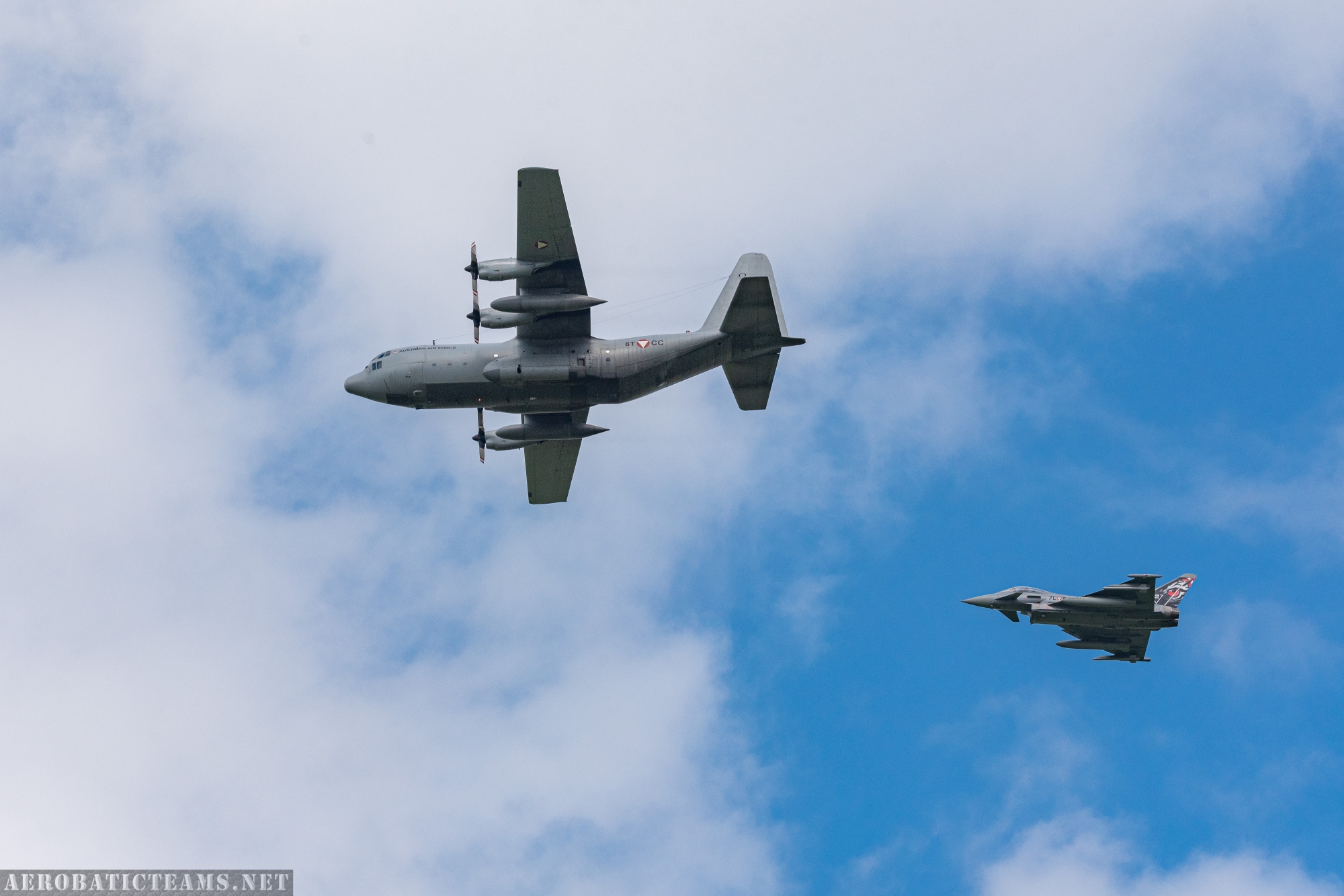
The Austrian Armed Forces also displayed their transport and helicopter capabilities. A Lockheed C-130 Hercules performed an interception demonstration, while the S-70 Black Hawk appeared in a solo display.
Other Austrian aircraft involved in the flying programme included the Pilatus PC-7 Turbo Trainer, Pilatus PC-6 Porter, Diamond DA40, Agusta-Bell AB-212, Leonardo AW169 and Bell OH-58 Kiowa.
The German Air Force brought an equally impressive selection of aircraft to Zeltweg.
The Eurofighter Typhoon performed a dynamic display, showcasing the capabilities of one of Europe's principal air-superiority fighters. The German contribution also included the Airbus A400M Atlas, one of Europe's most advanced military transport aircraft.
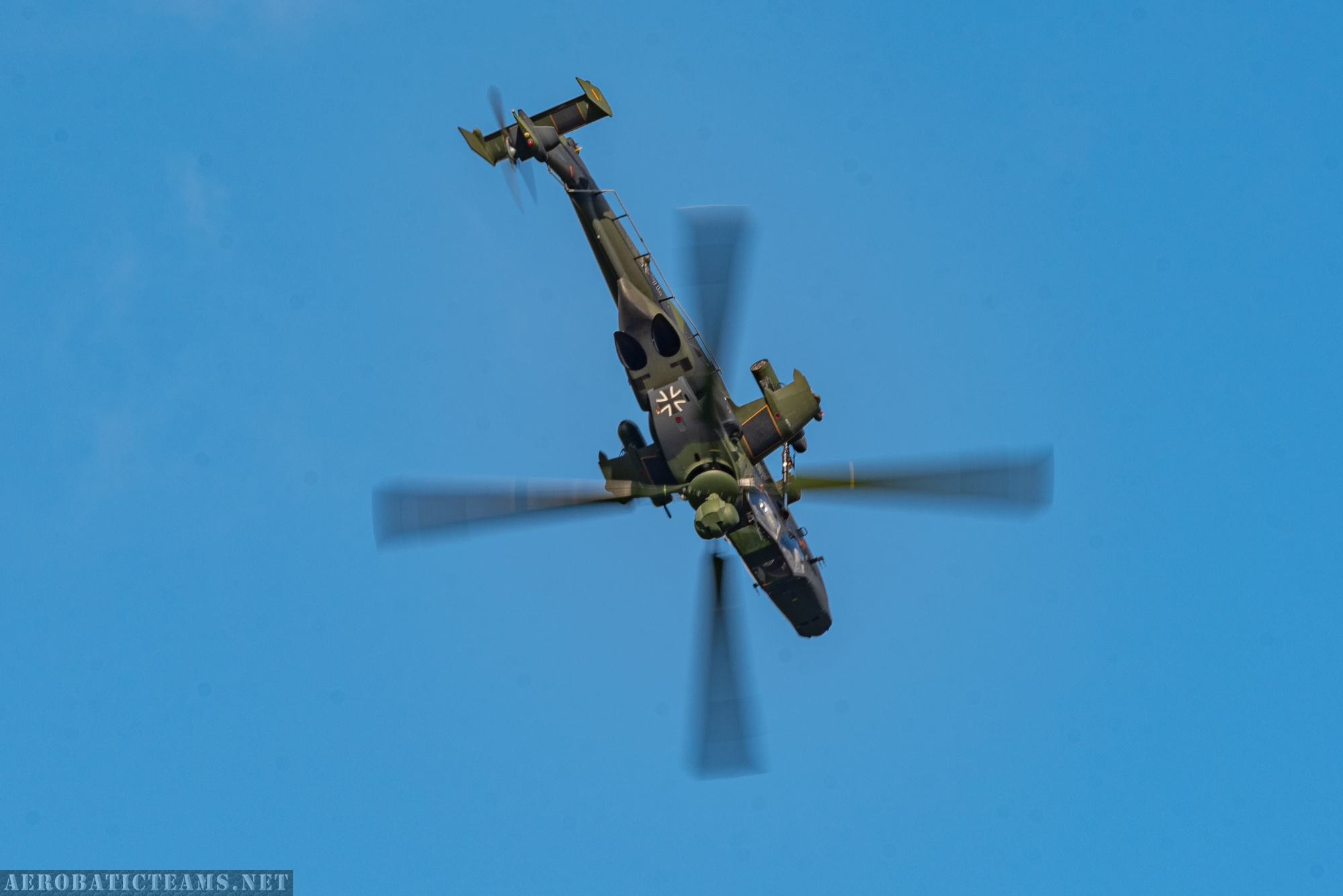
The German Army contributed helicopters, including the Airbus H145M, NH90 and Tiger attack helicopter. The Tiger's appearance was particularly significant for aviation enthusiasts, providing an opportunity to see one of Europe's most sophisticated attack helicopters operating in a demanding display environment.
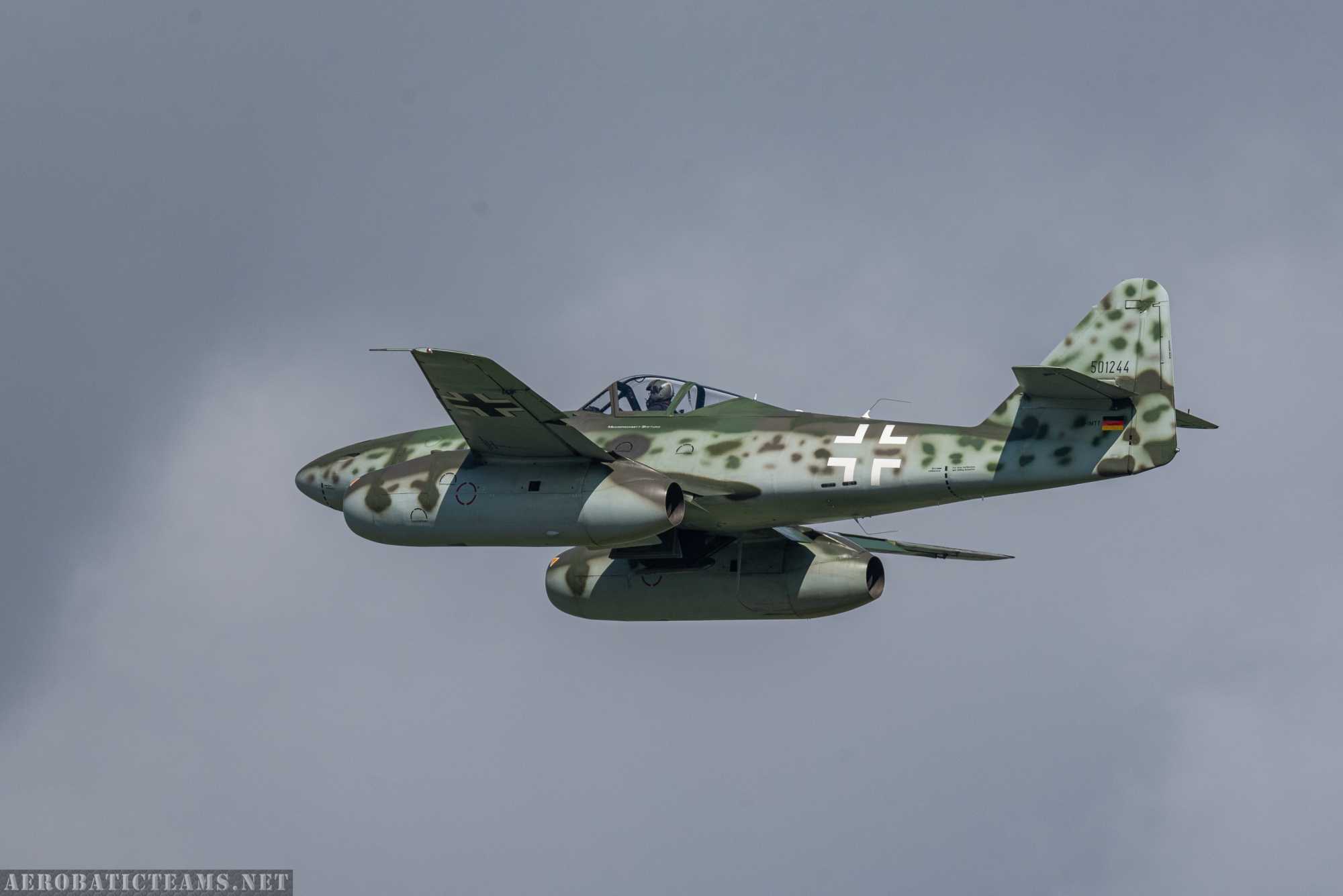
Germany also contributed a remarkable piece of aviation history: the flying Messerschmitt Me 262, the world's first operational jet fighter. Its presence provided a fascinating contrast with the modern Eurofighter and F-35, demonstrating just how far military aviation has developed since the Second World War.
Italy brought several different aspects of modern military aviation to AIRPOWER24.
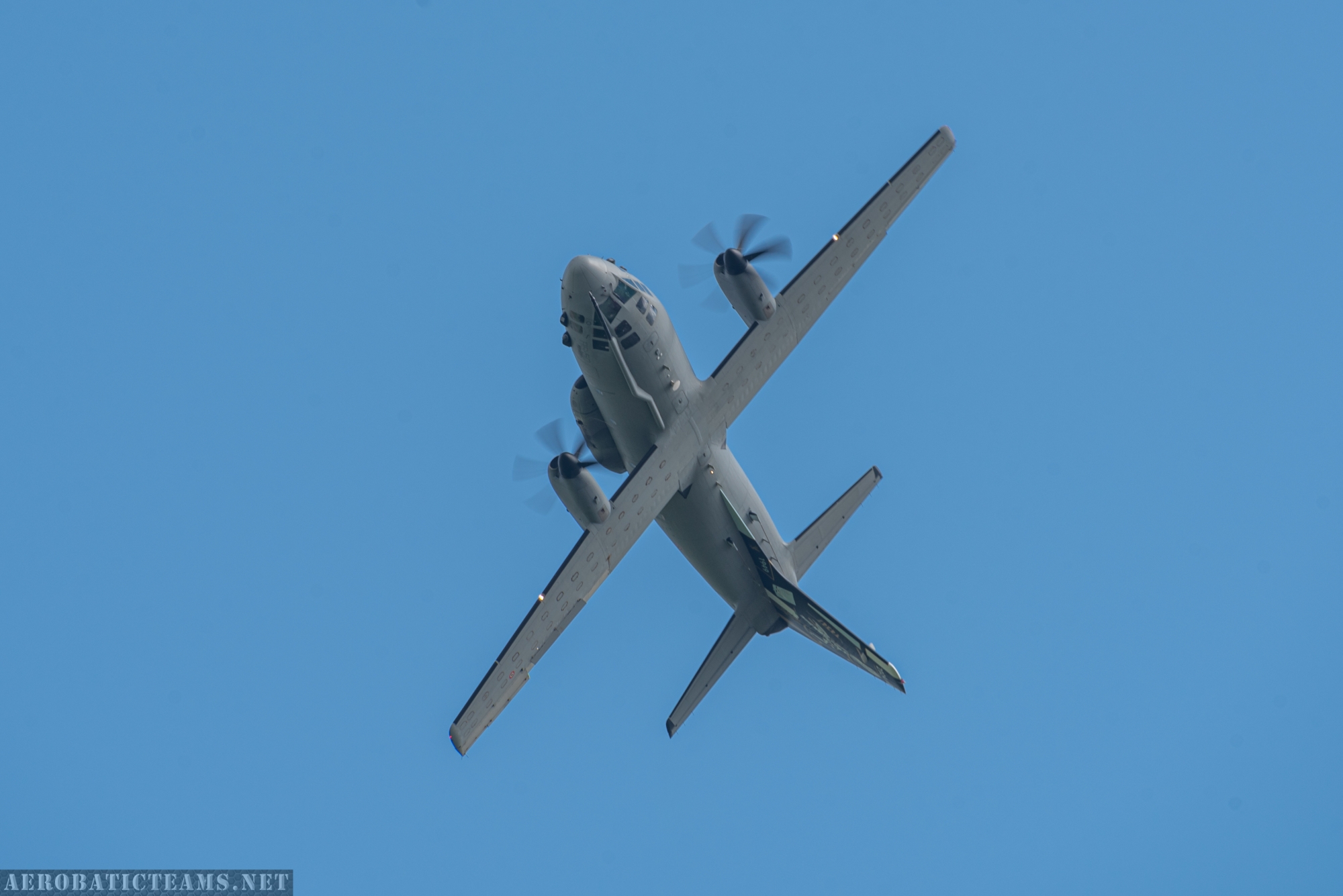
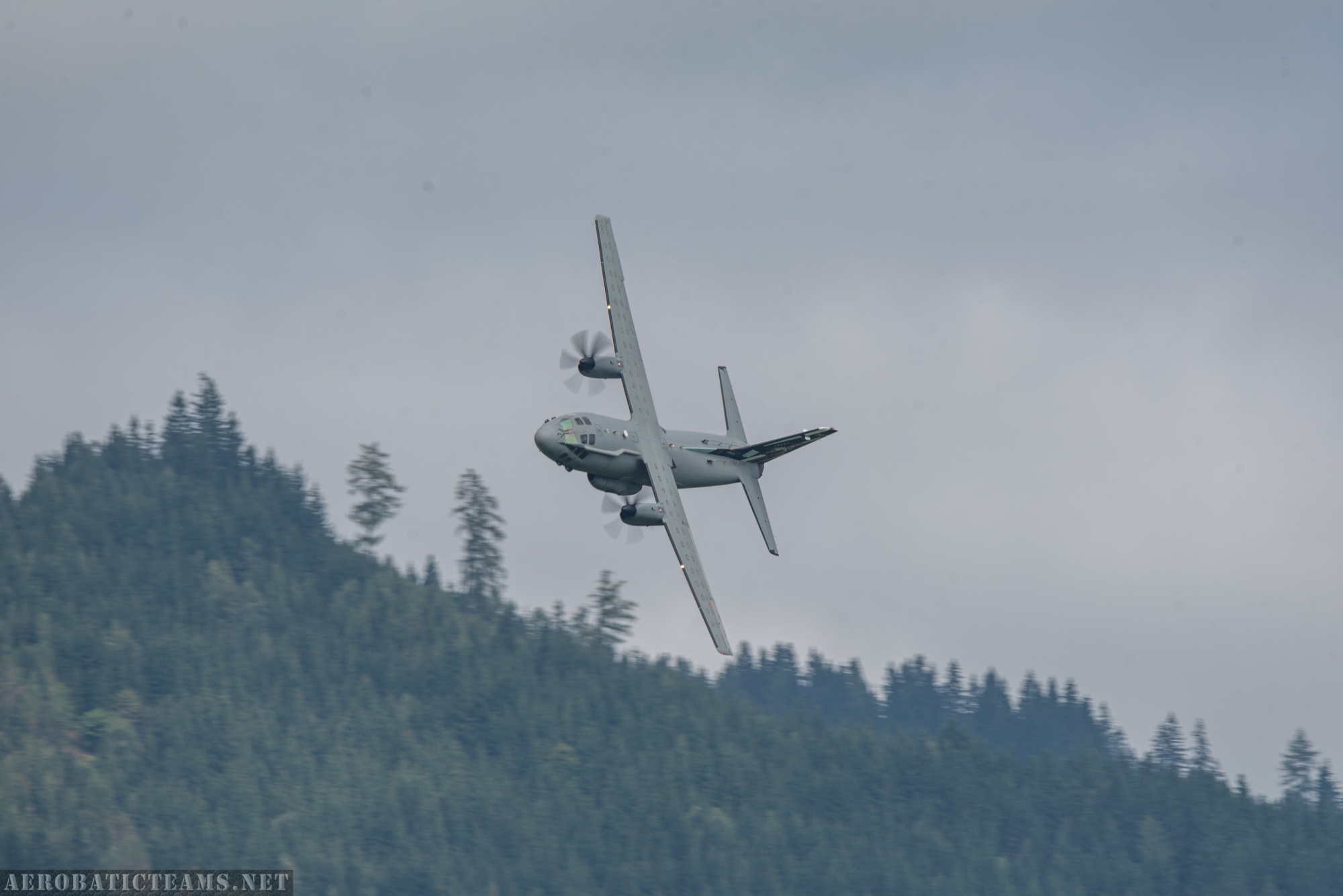
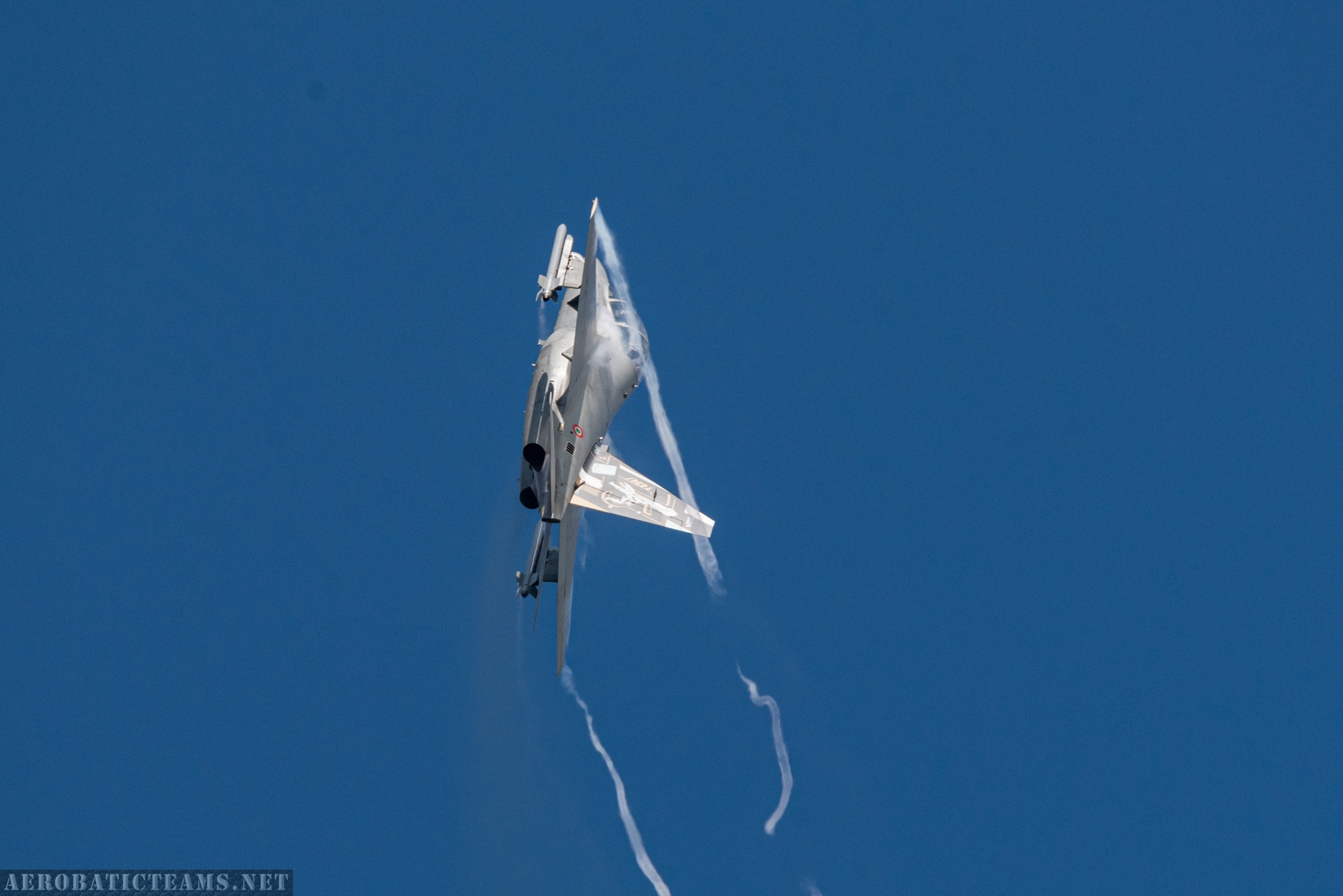
The Alenia C-27J Spartan represented tactical airlift capability, while the Leonardo T-346 Master demonstrated the advanced training technology used to prepare modern fighter pilots.
Italian Eurofighters also participated in the flying programme, providing another opportunity for spectators to compare the aircraft with its Austrian and German counterparts.
Switzerland provided two of the most anticipated attractions of the weekend.
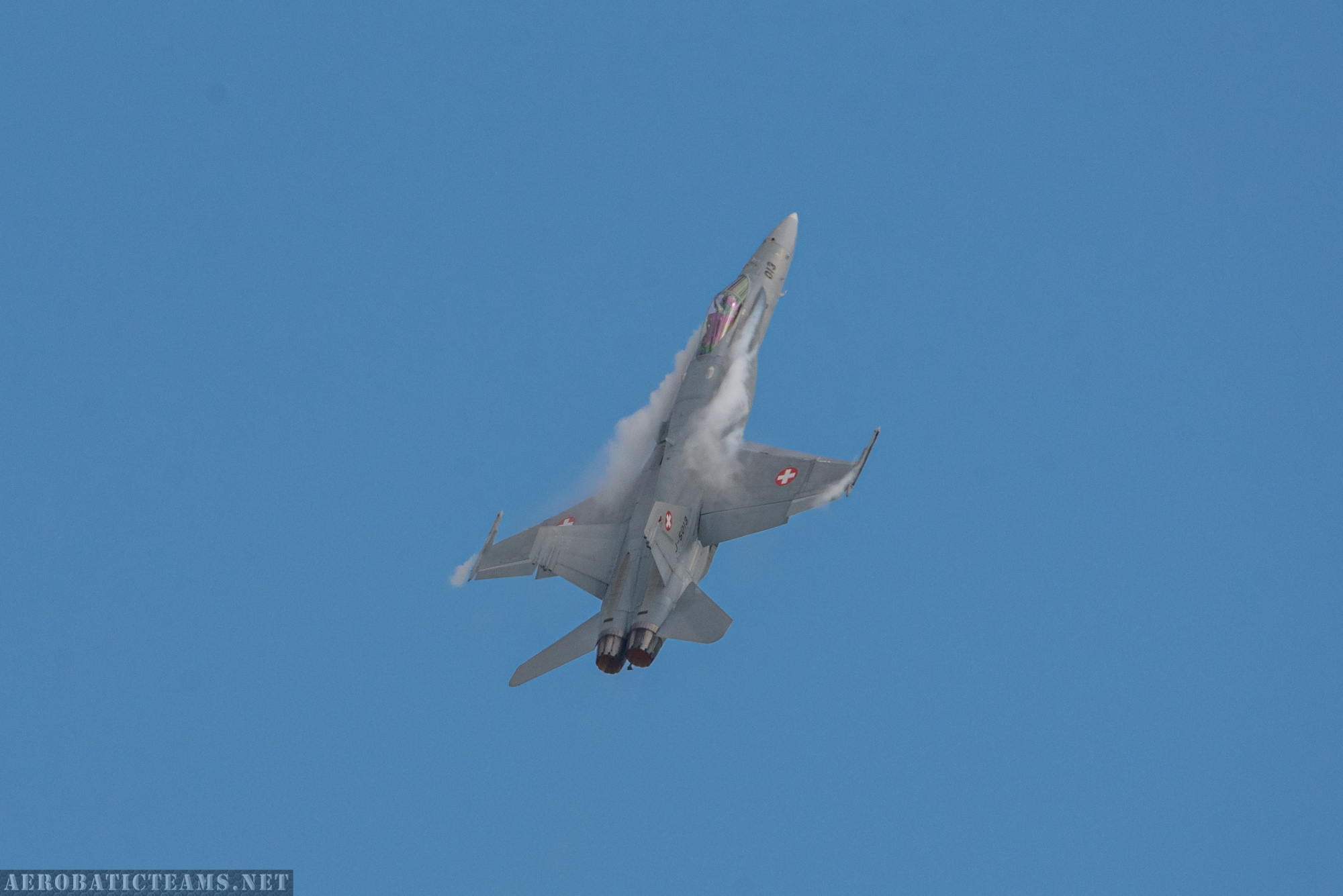
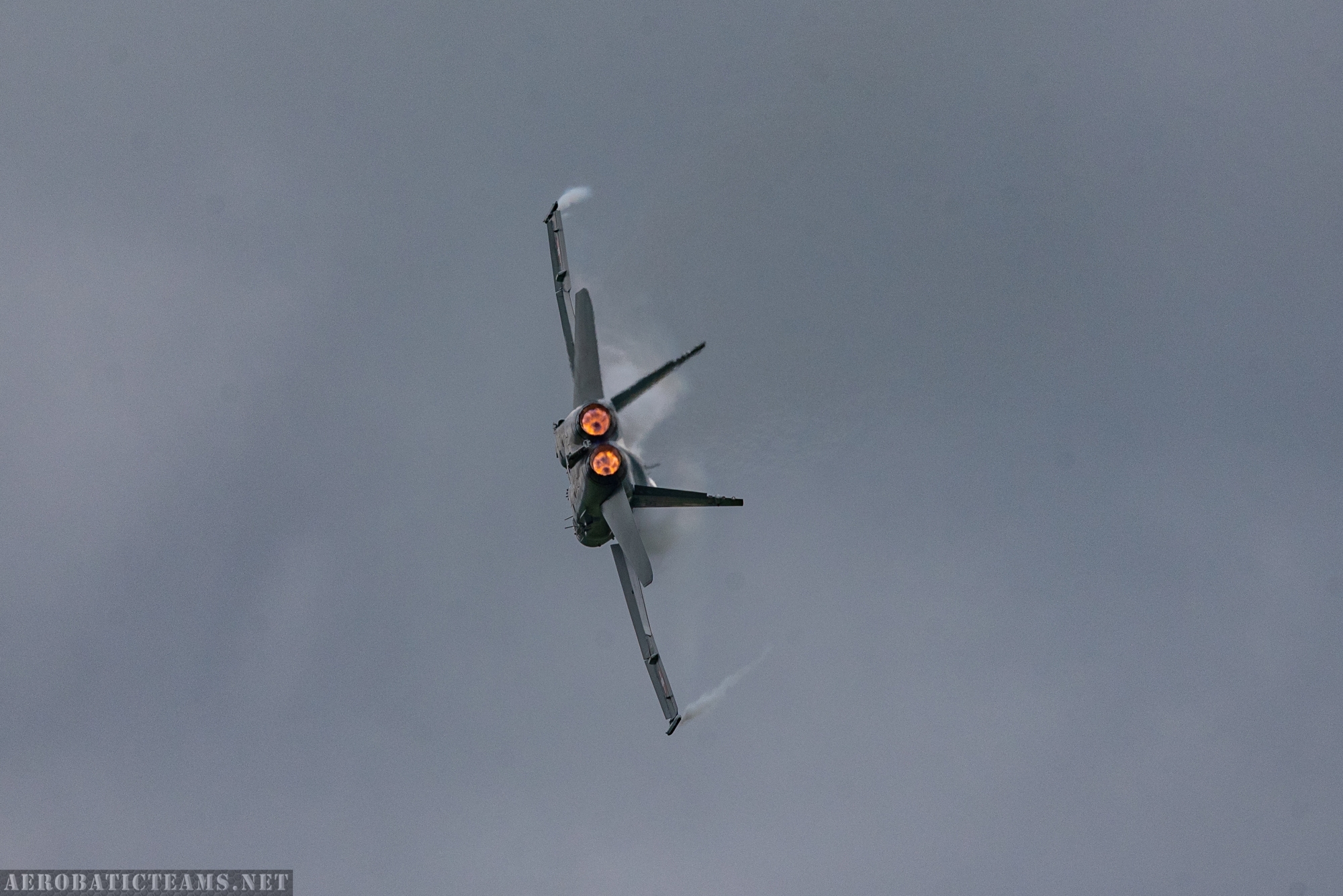
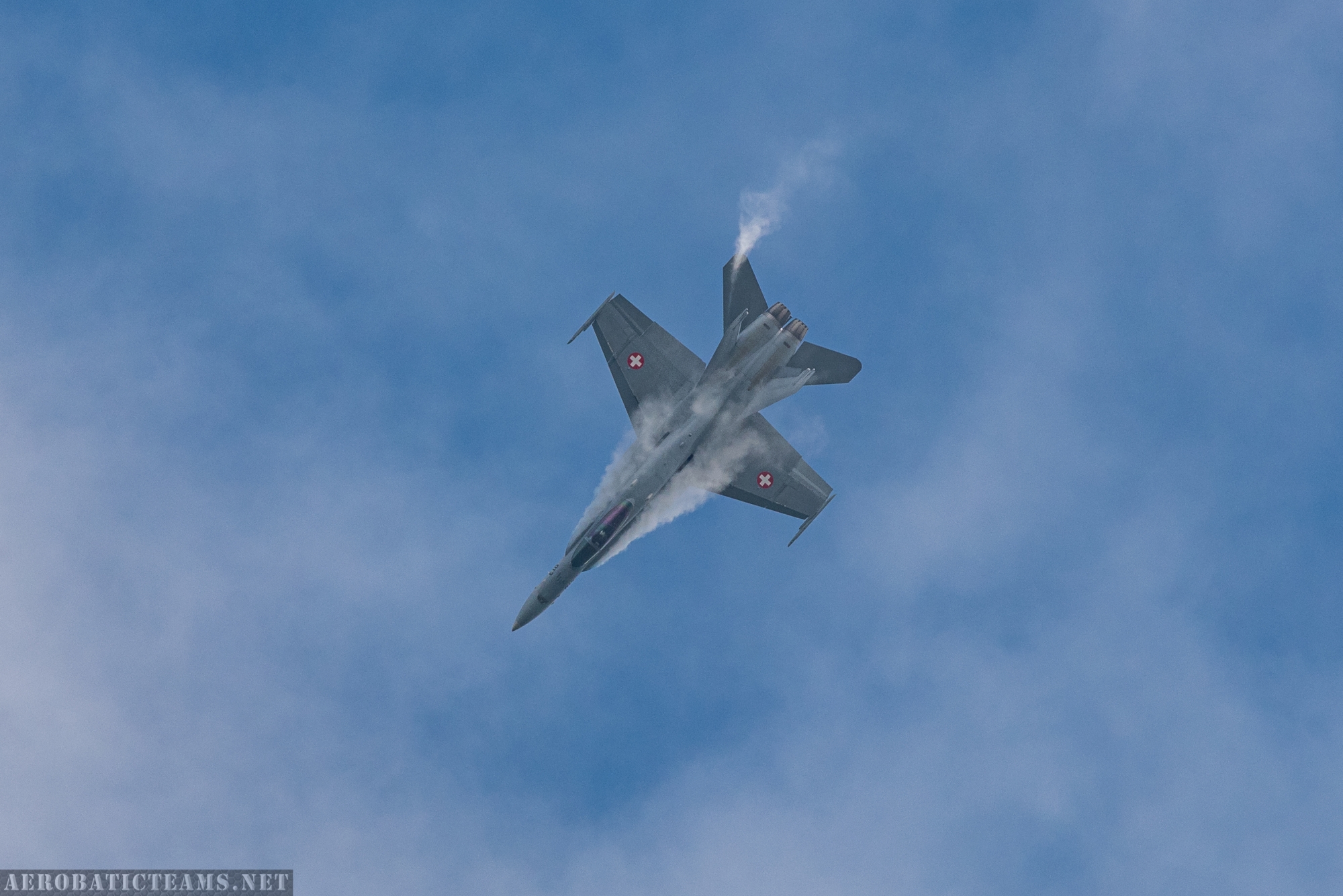
The Swiss Air Force F/A-18 Hornet delivered a dynamic solo display, demonstrating the capabilities of Switzerland's long-serving fighter fleet.
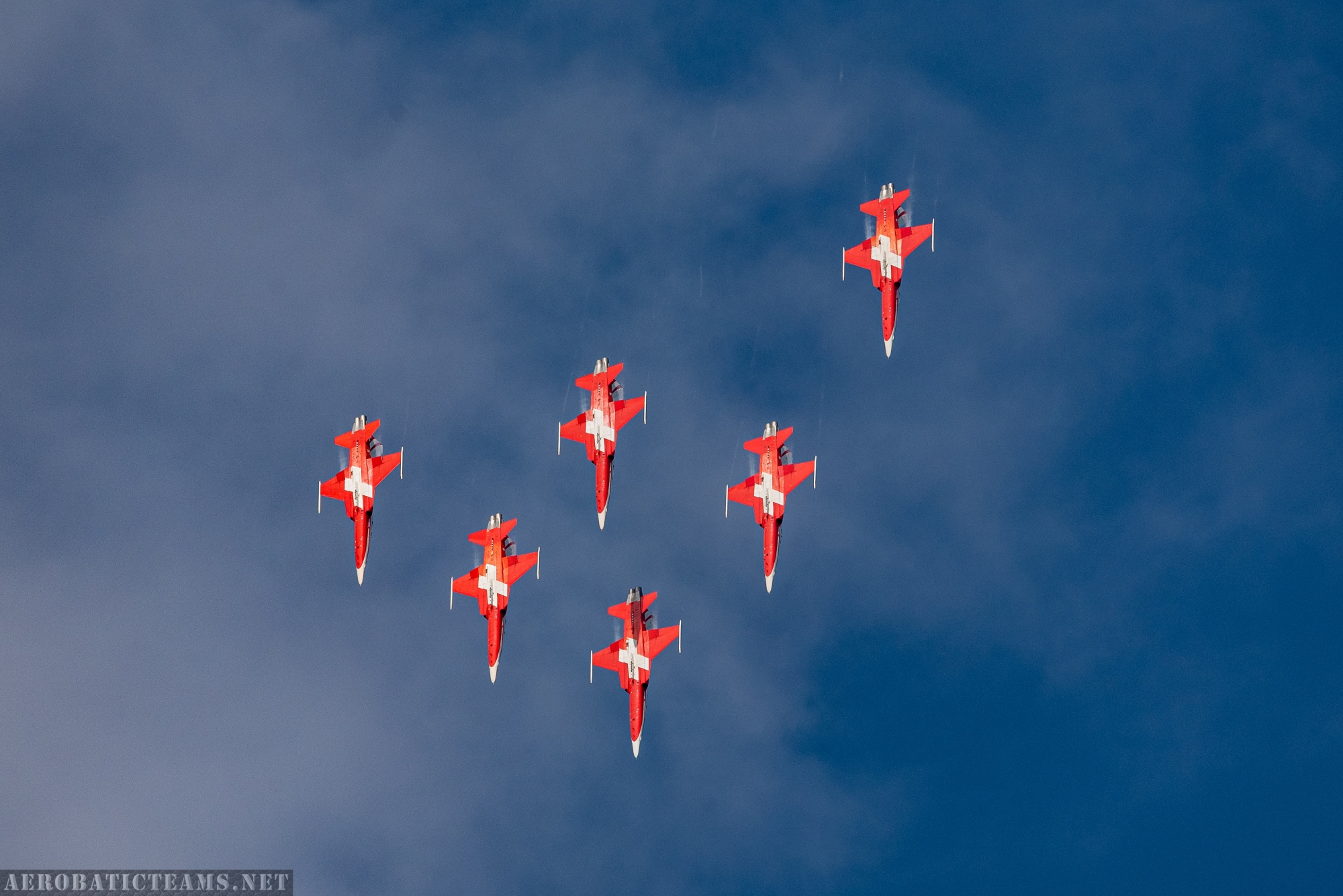
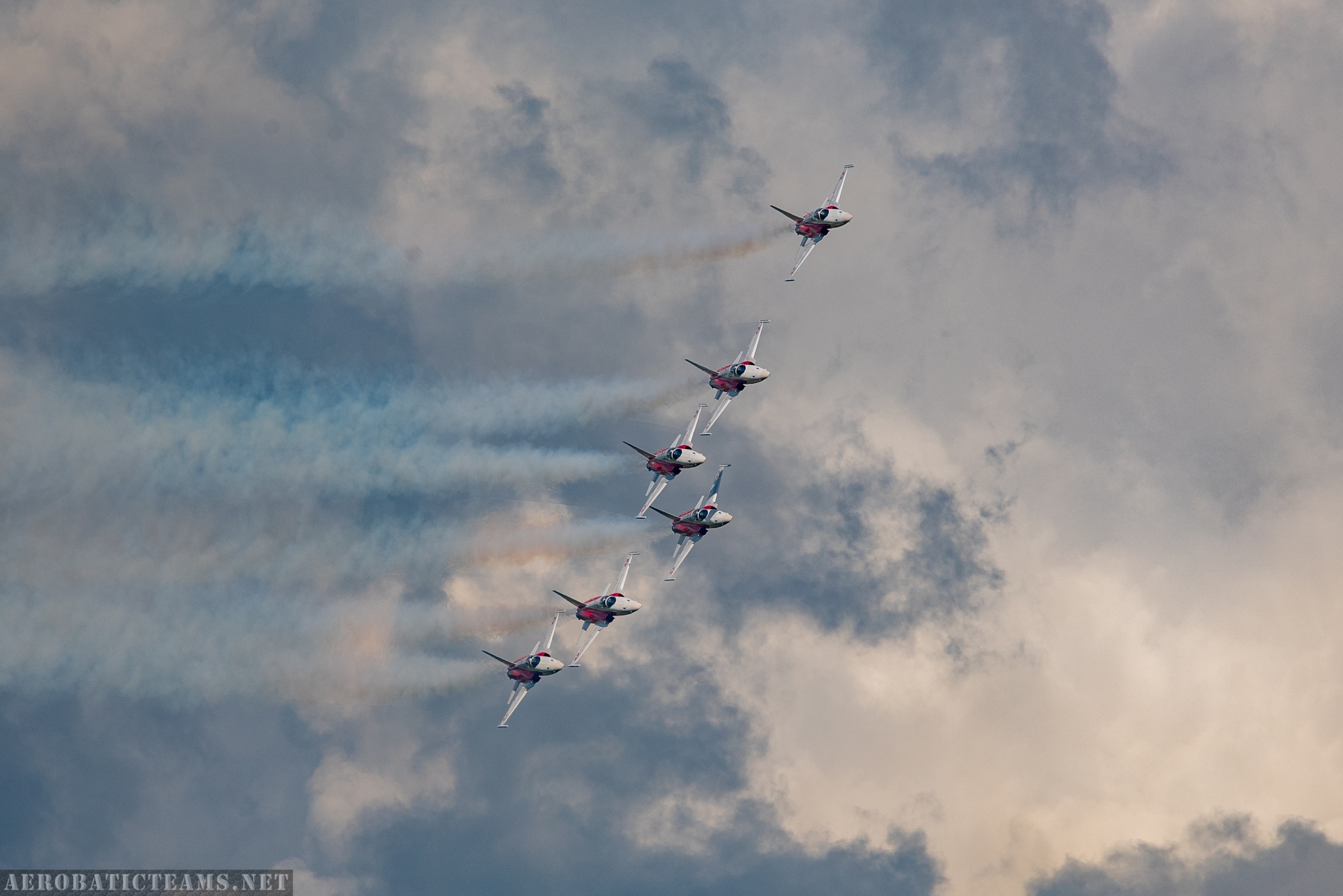
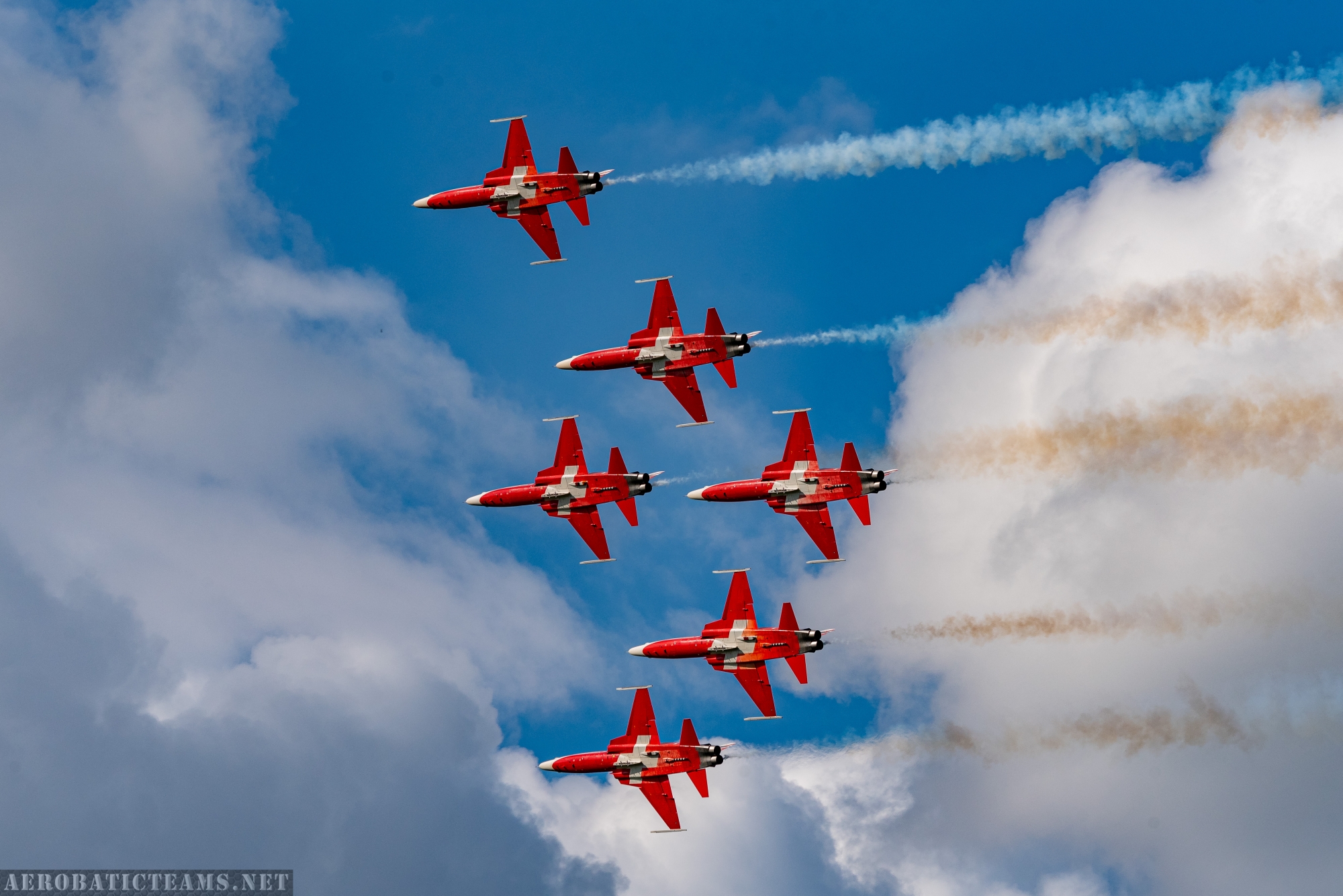
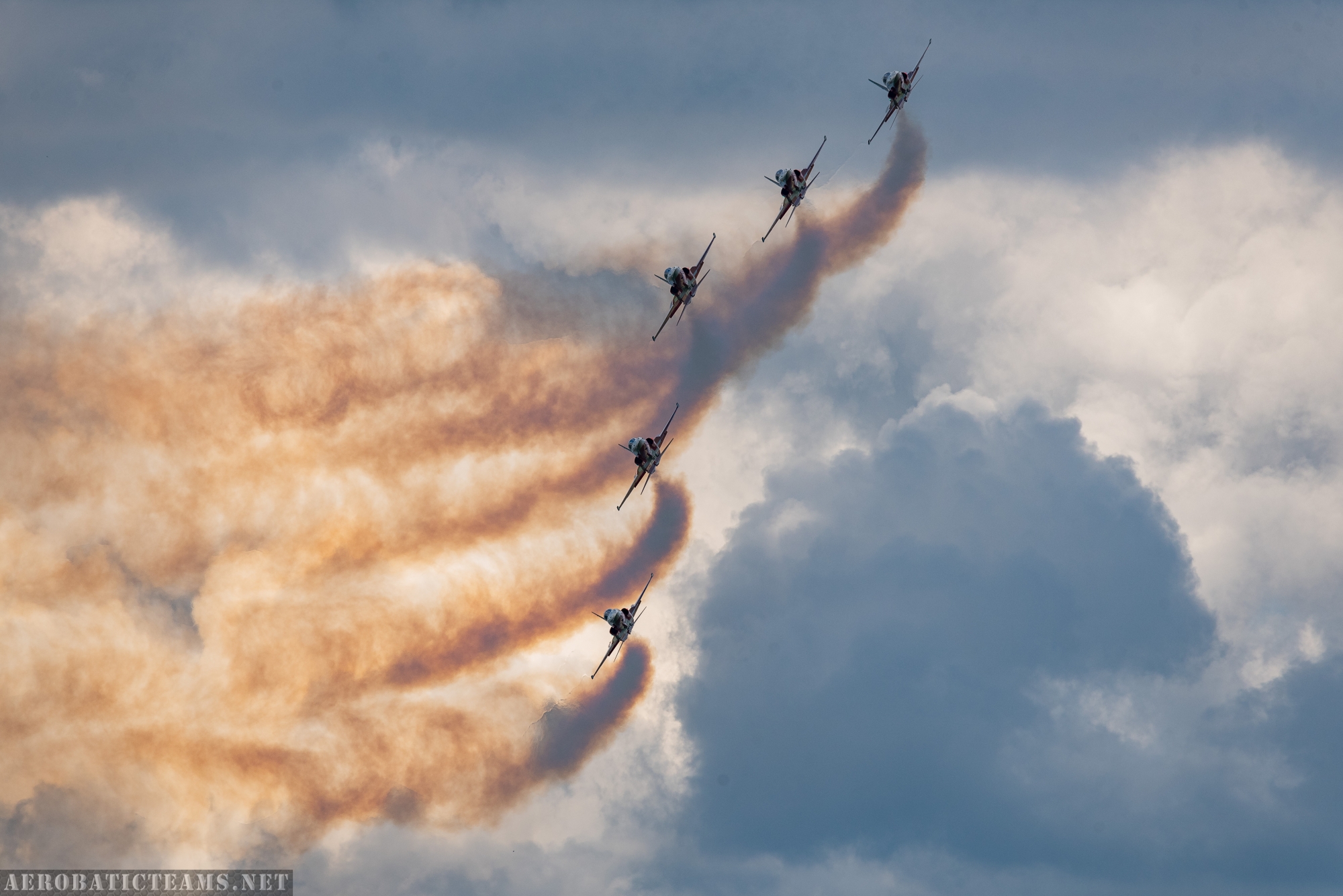
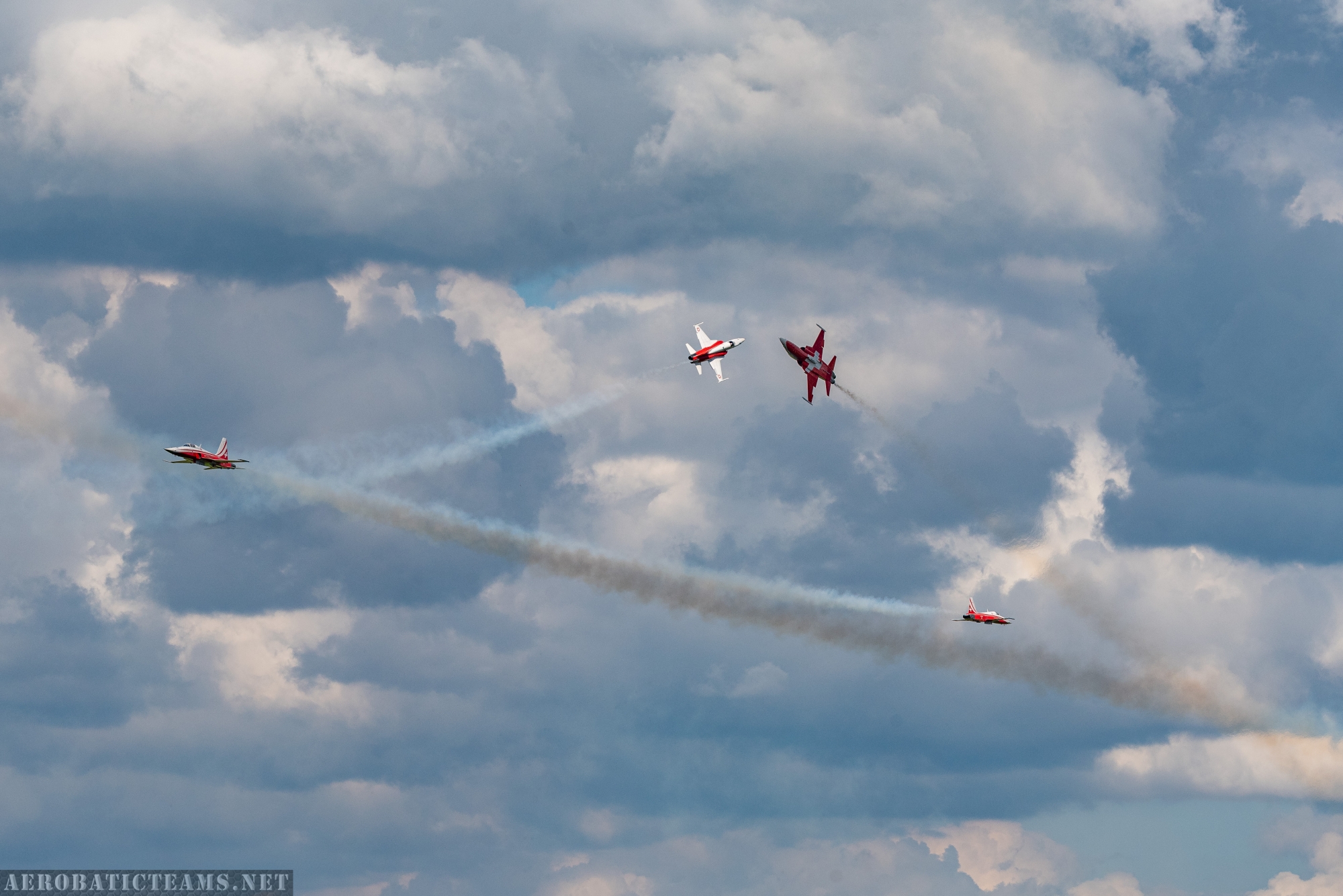
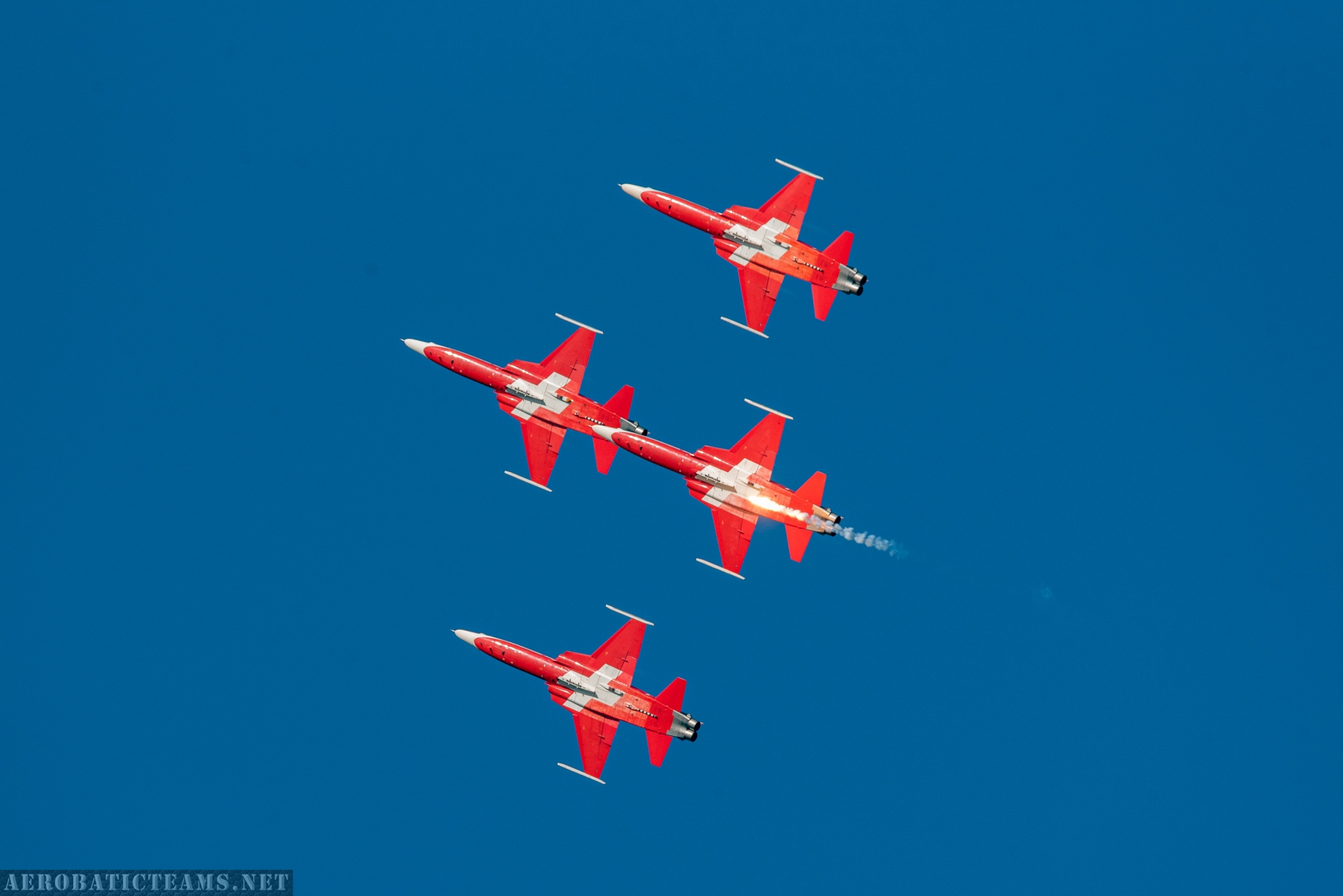
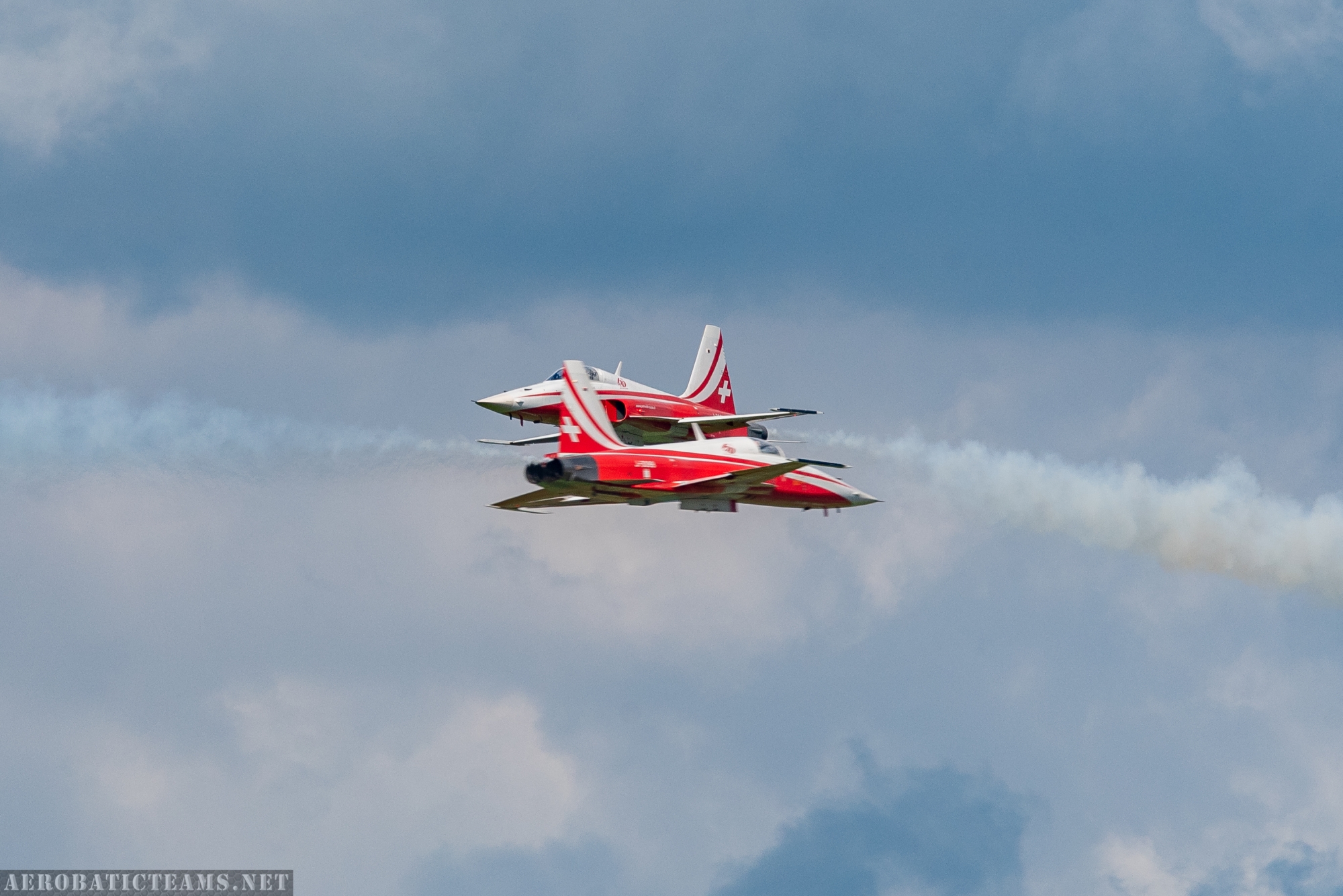
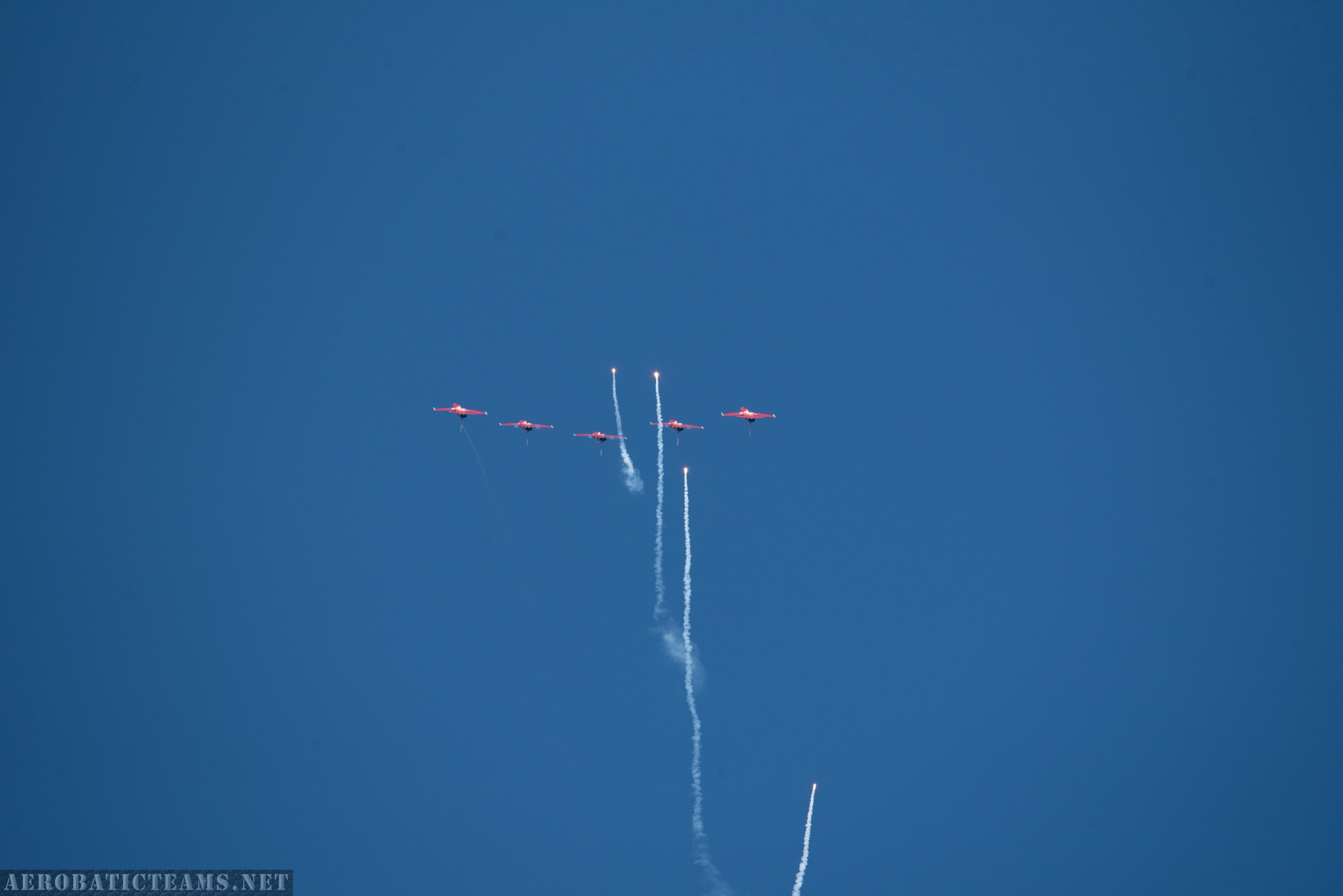
Even more spectacular was the appearance of the Patrouille Suisse, Switzerland's famous national aerobatic team. Flying their F-5E Tiger IIs in precise formation, the team demonstrated the extraordinary discipline and precision required for military formation aerobatics.
Their performance was one of the highlights of the international display programme.
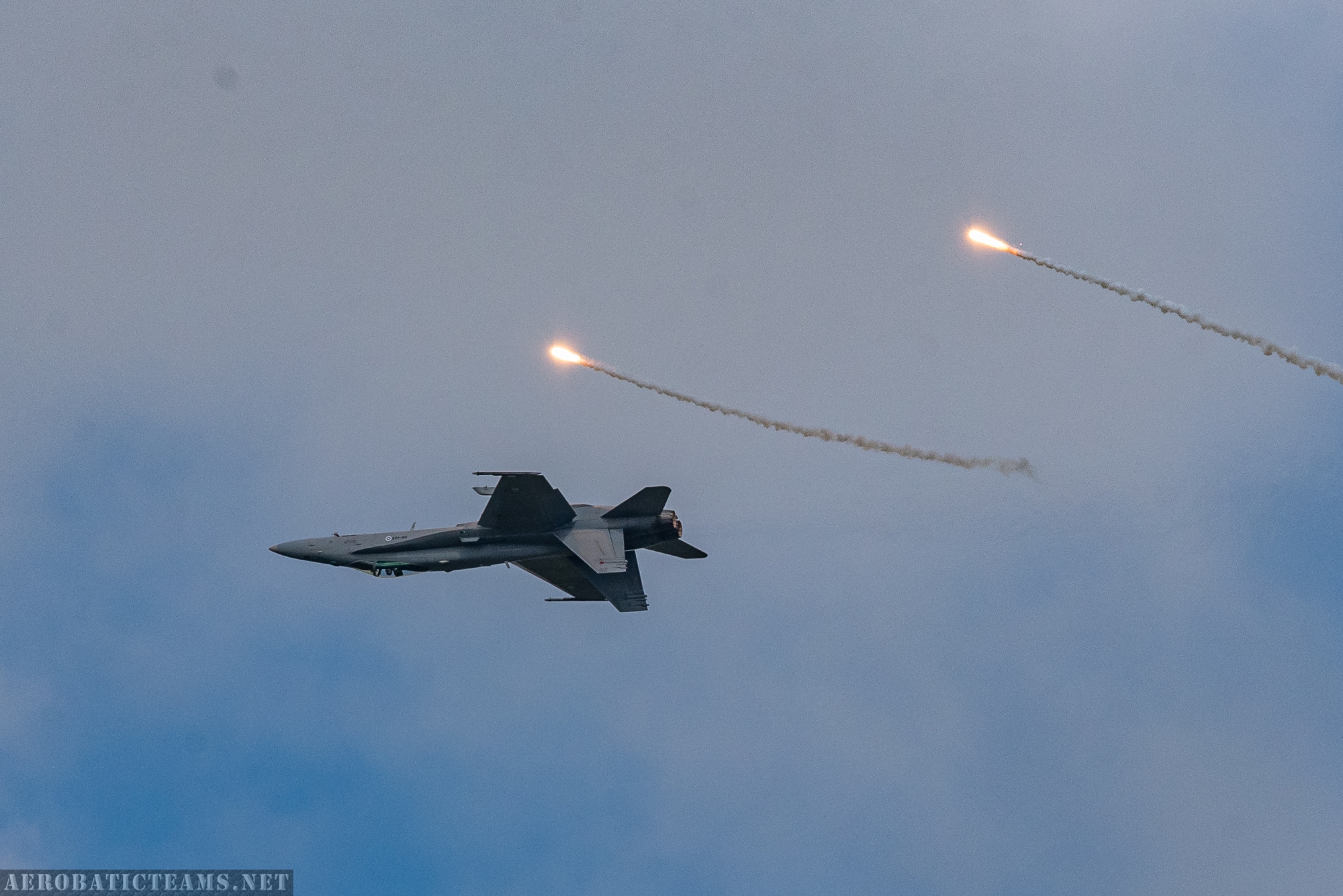
Finland also brought its F/A-18 Hornet to Zeltweg. The Finnish Hornet added another dimension to the international fighter programme and provided spectators with the opportunity to see the same basic aircraft operated under a different national doctrine and environment.
The appearance of the Finnish fighter was particularly interesting alongside the Swiss F/A-18, allowing enthusiasts to see two national versions of the Hornet during the same event.
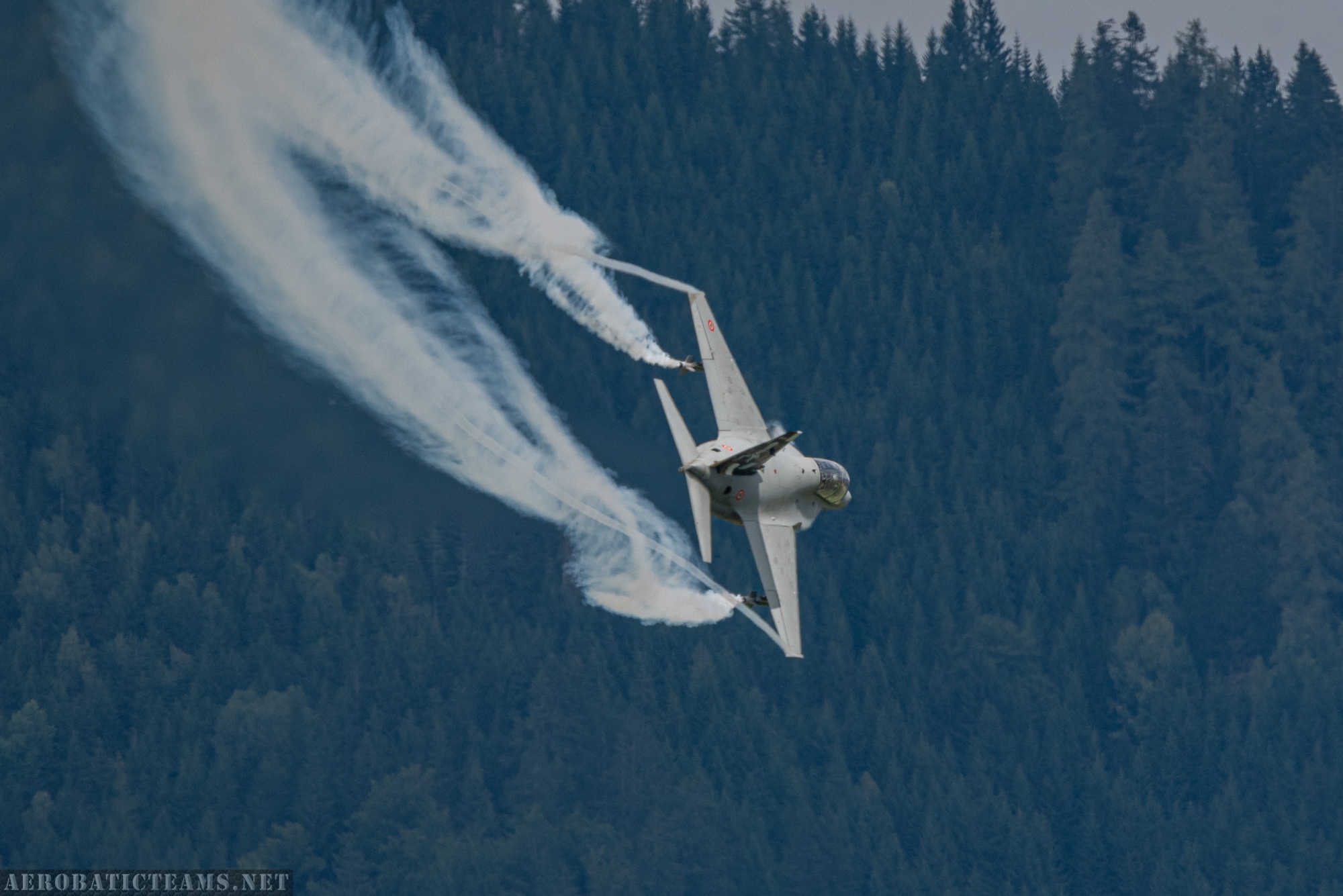
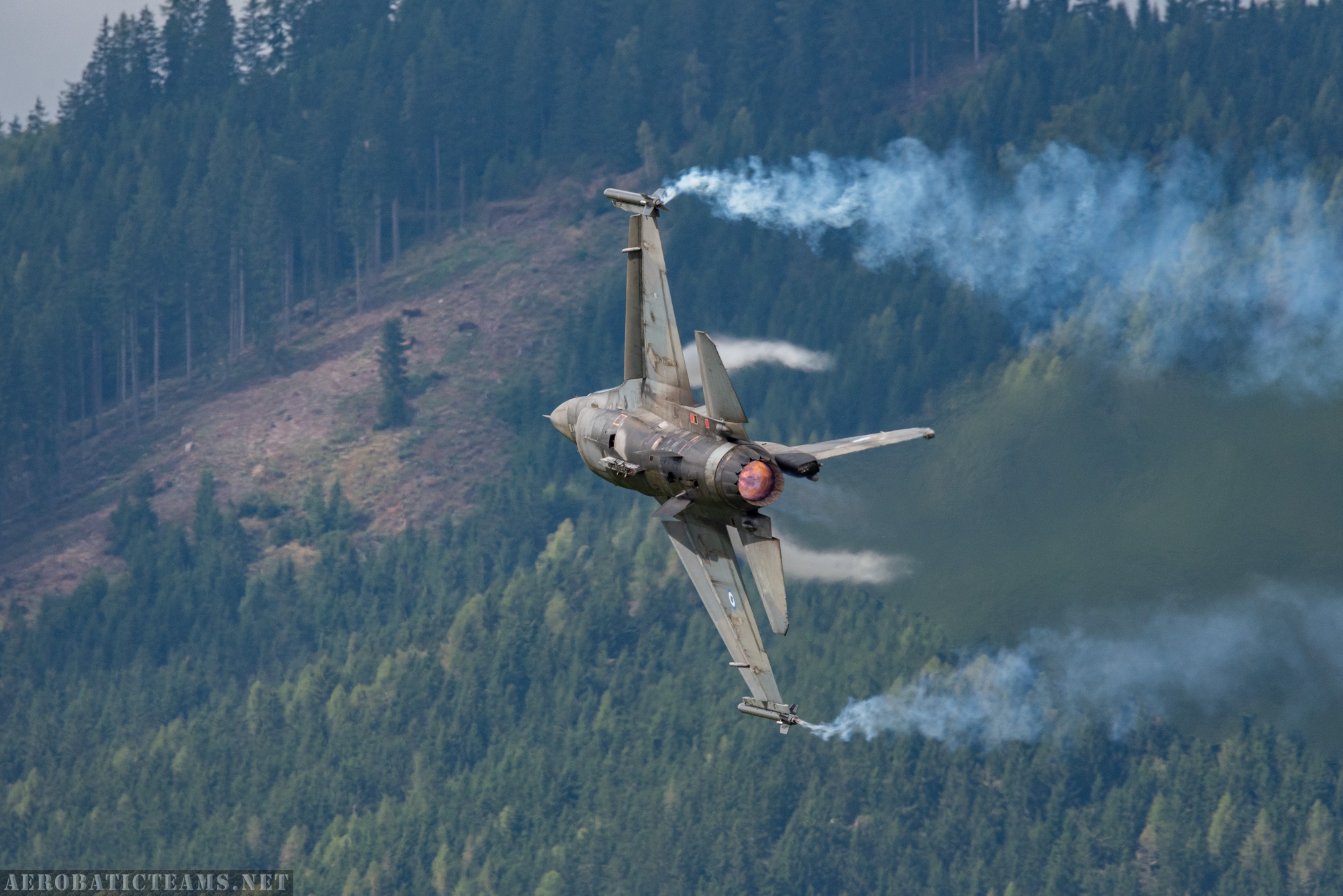
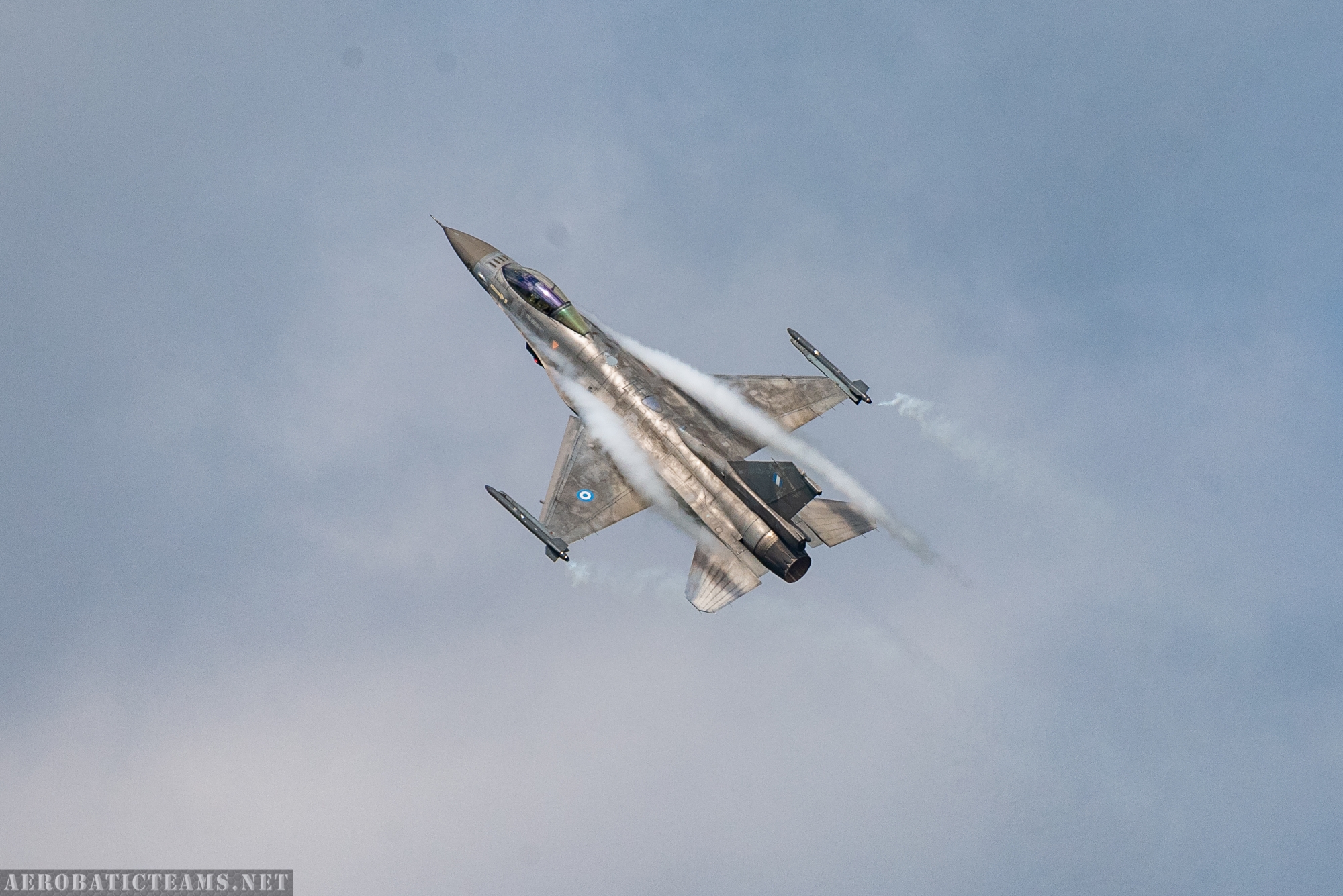
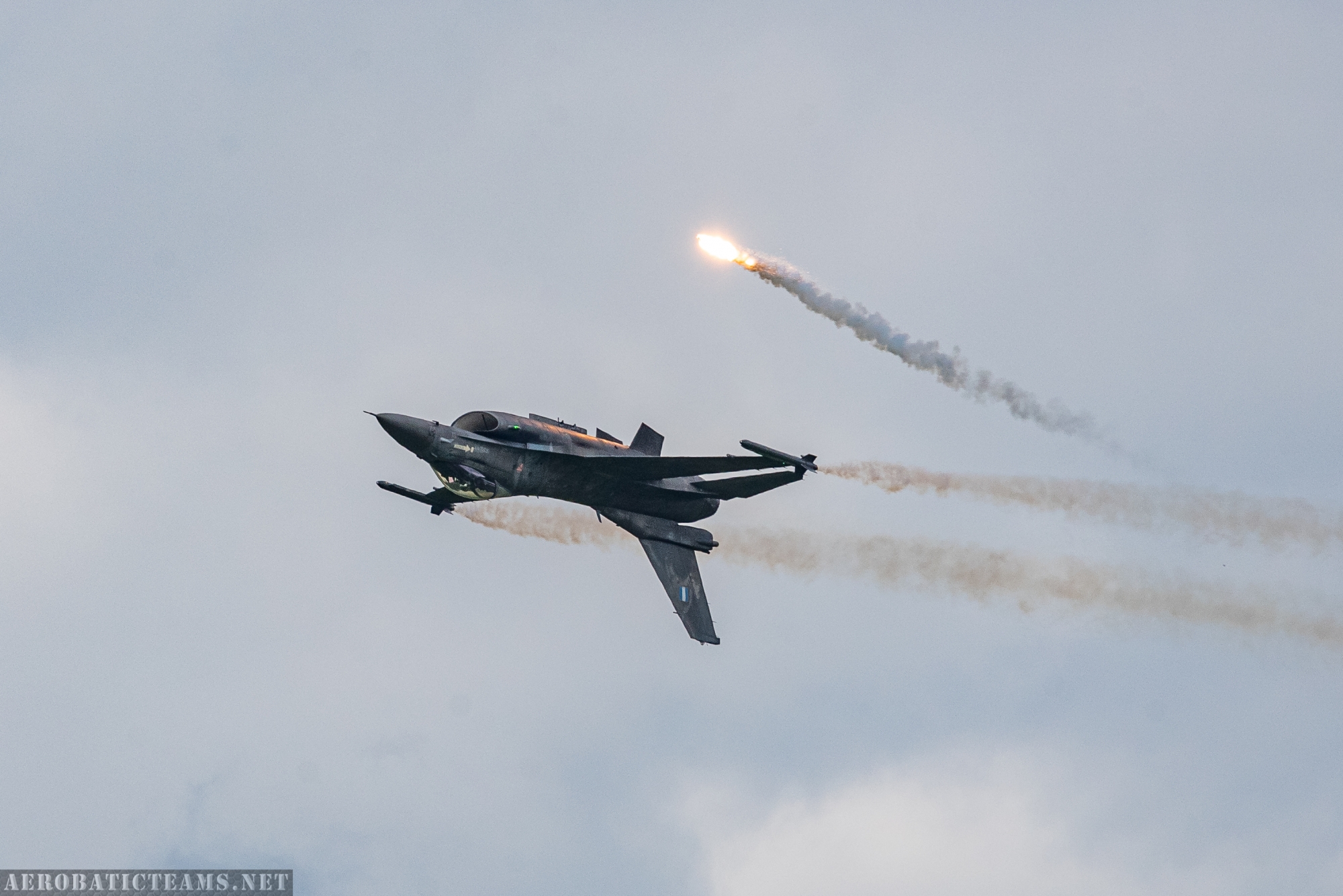
The Hellenic Air Force F-16 Demo Team "ZEUS" was another major attraction.
The F-16 Fighting Falcon has become one of the most recognisable aircraft at European airshows, and the Greek team is known for its energetic and highly precise demonstrations.
At Zeltweg, the F-16 provided one of the most dramatic performances of the event, combining high-speed passes, powerful climbs, rapid manoeuvres and the distinctive sound of the Fighting Falcon's afterburning engine.
The Greek F-16 was part of a wider F-16 presence at AIRPOWER24, with aircraft from several nations represented in the participant list.
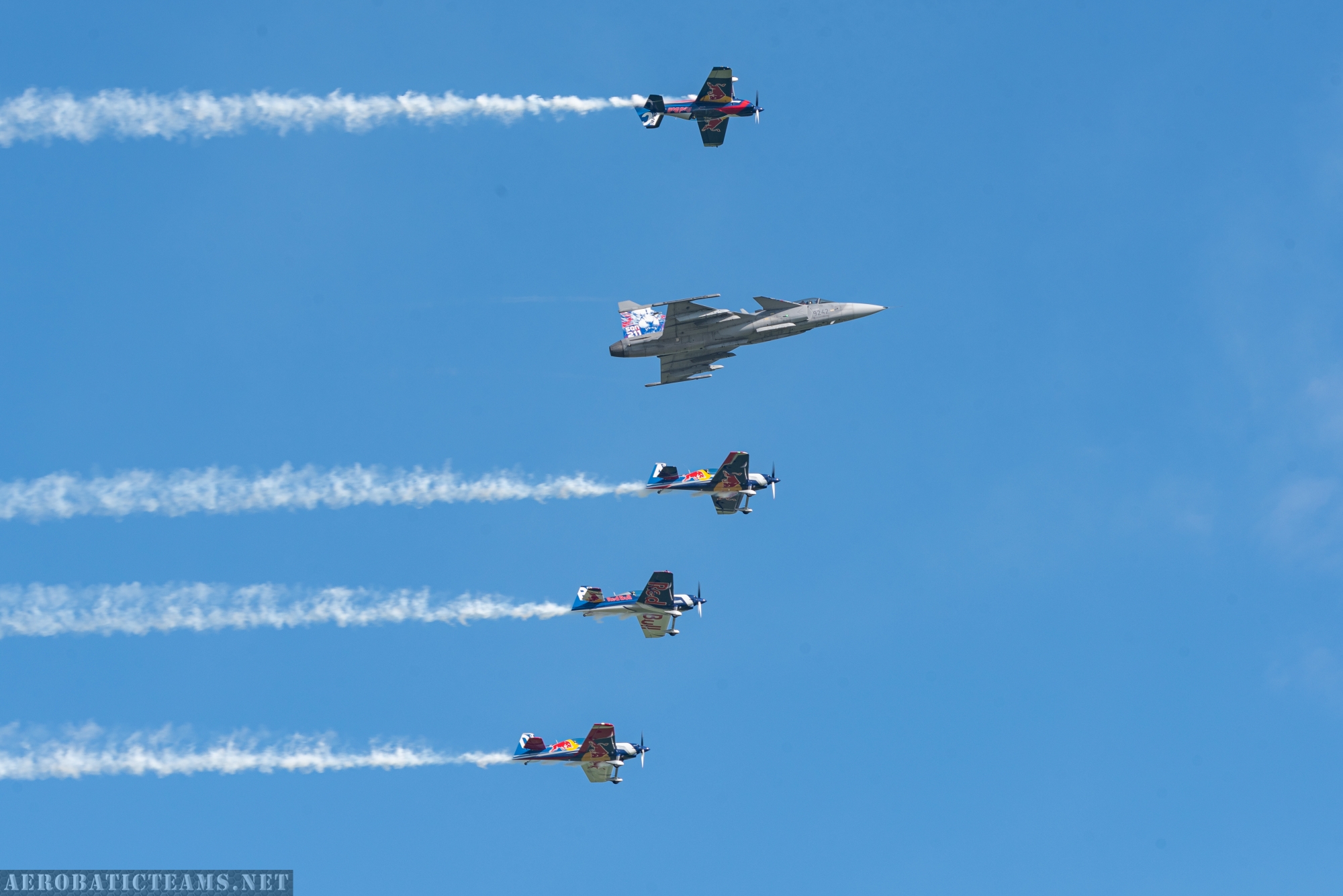
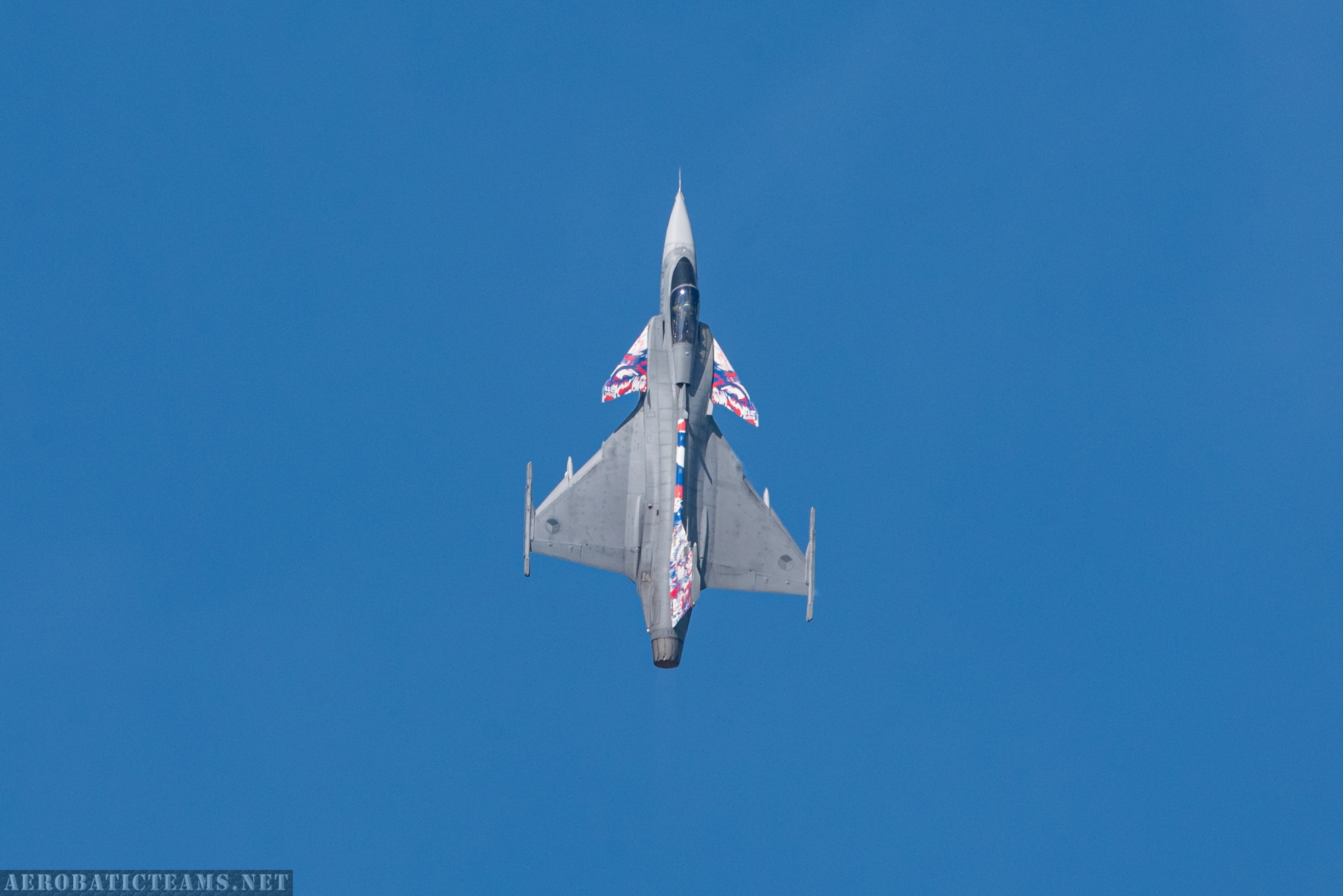
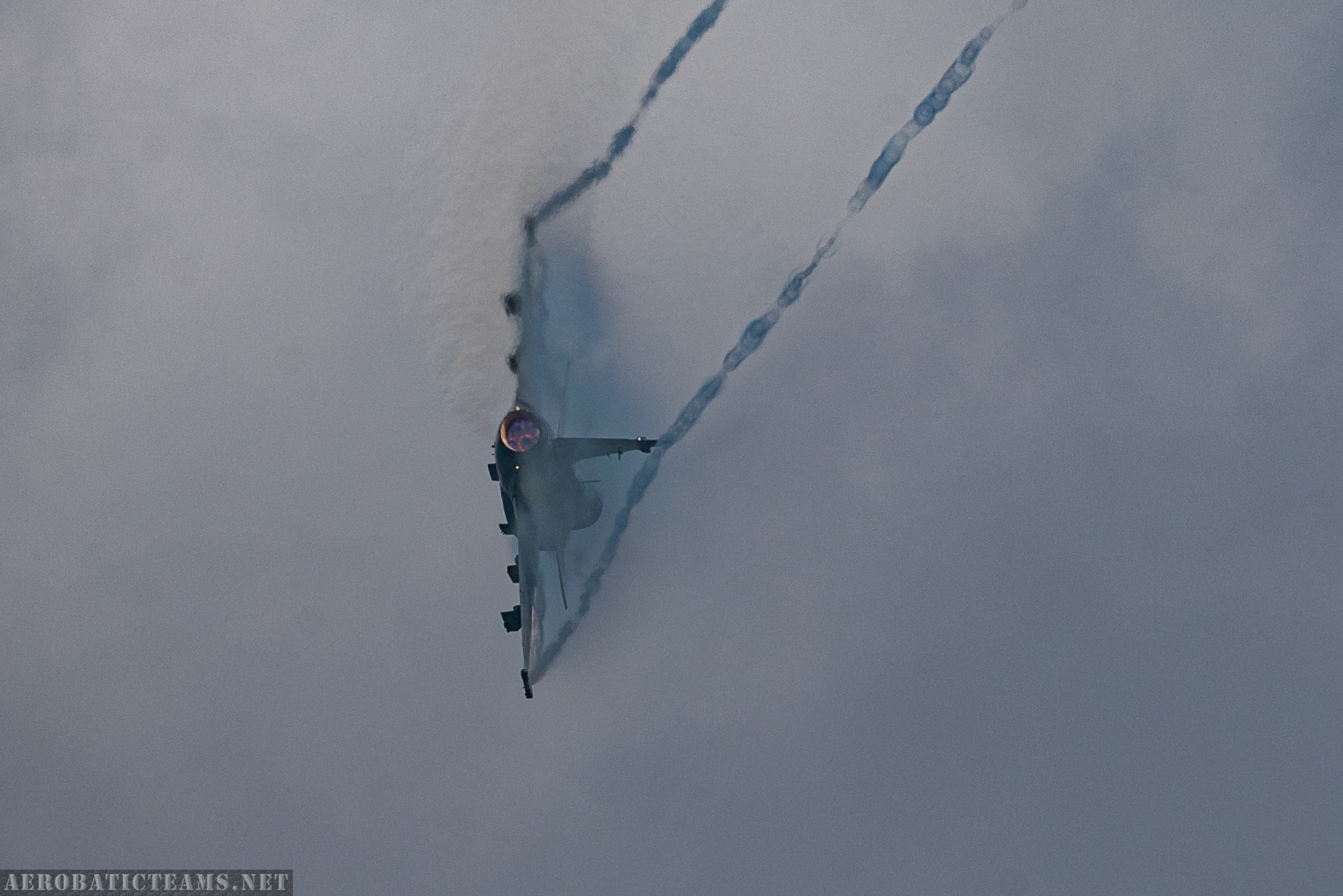
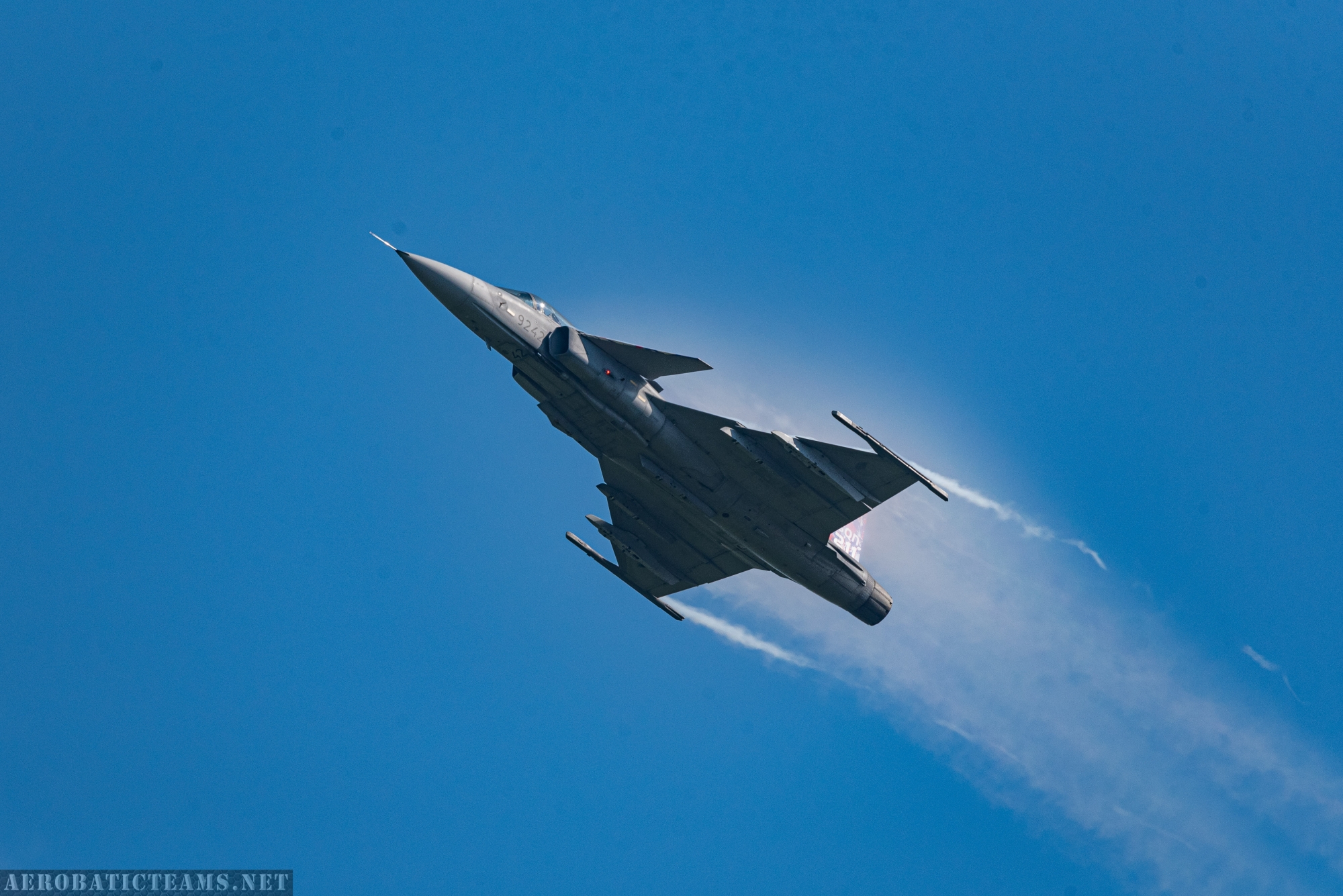
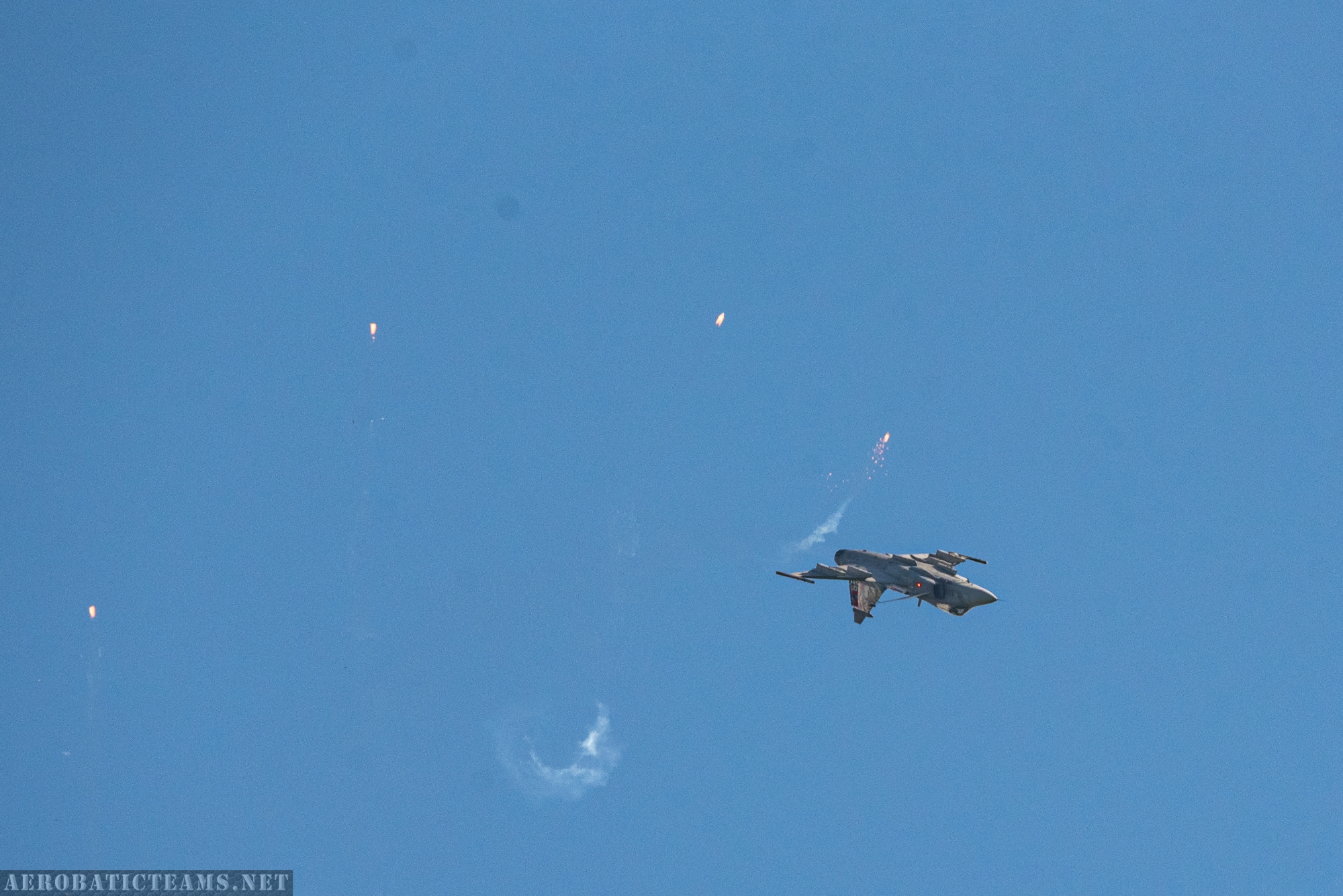
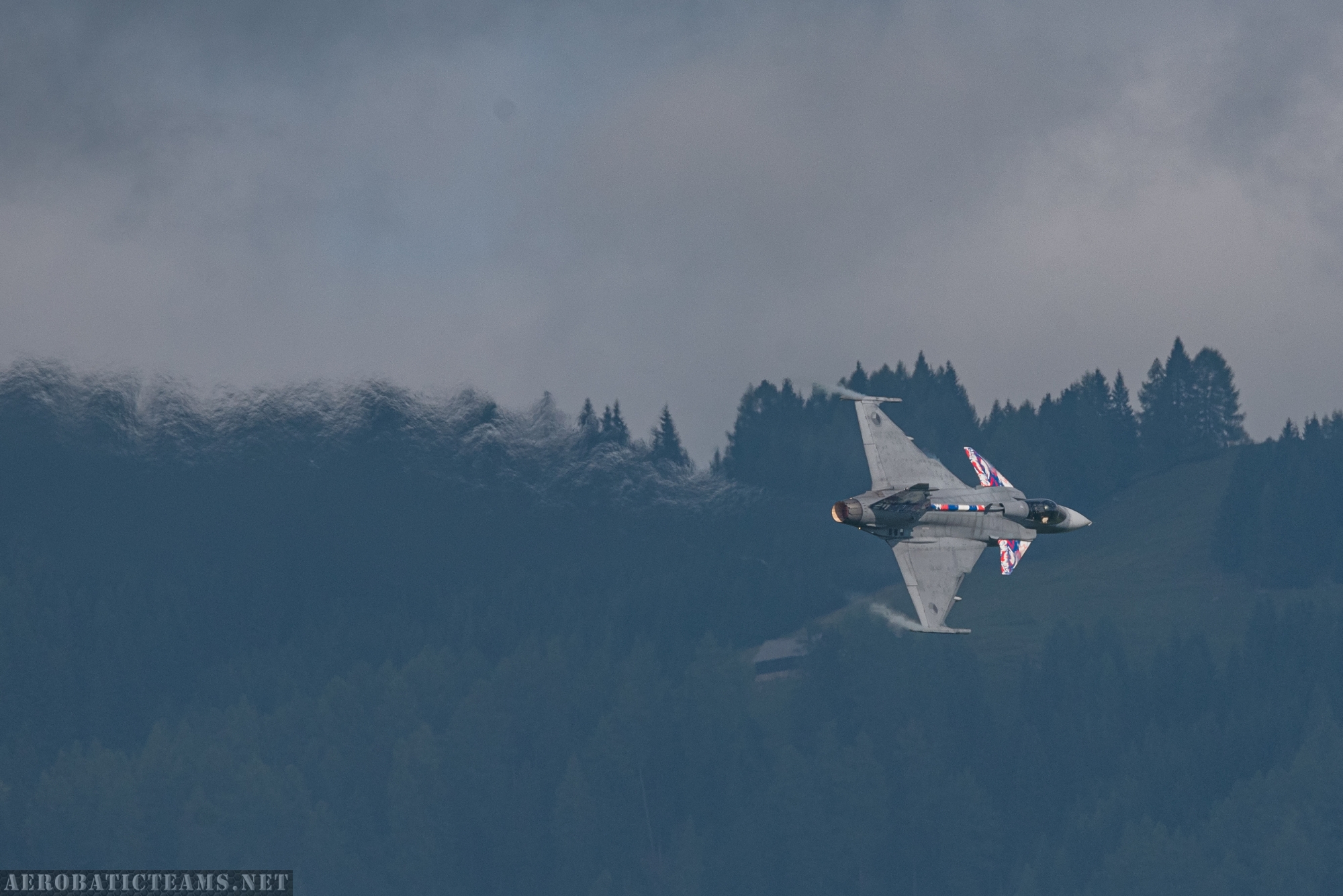
The Hungarian Air Force Saab JAS 39 Gripen also participated in the flying programme.
The Gripen has become a familiar sight at European airshows and is particularly interesting in the context of Central European airpower because both Hungary and the Czech Republic operate the type.
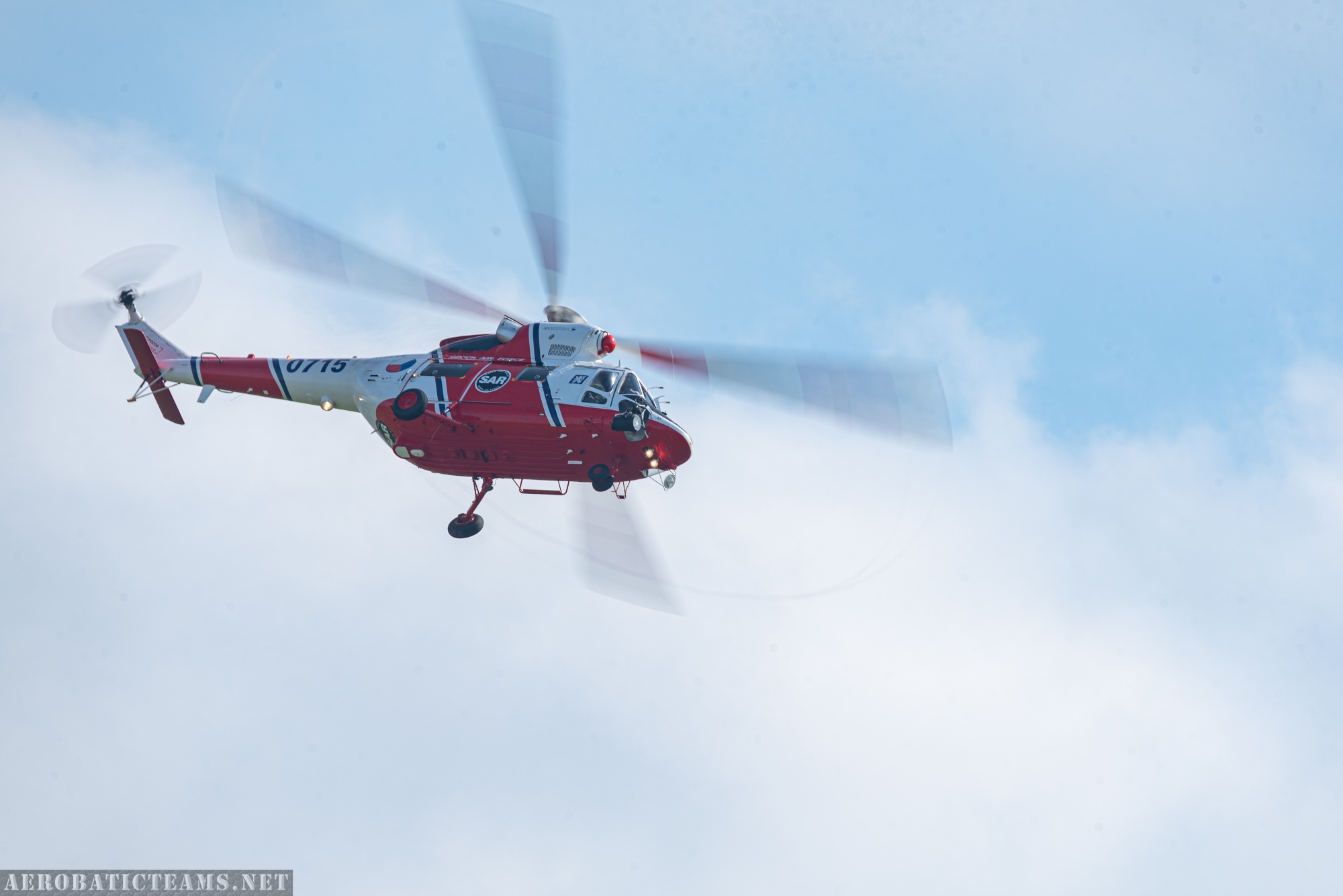
The Czech Republic contributed not only the Gripen but also the PZL W-3A Sokol helicopter.
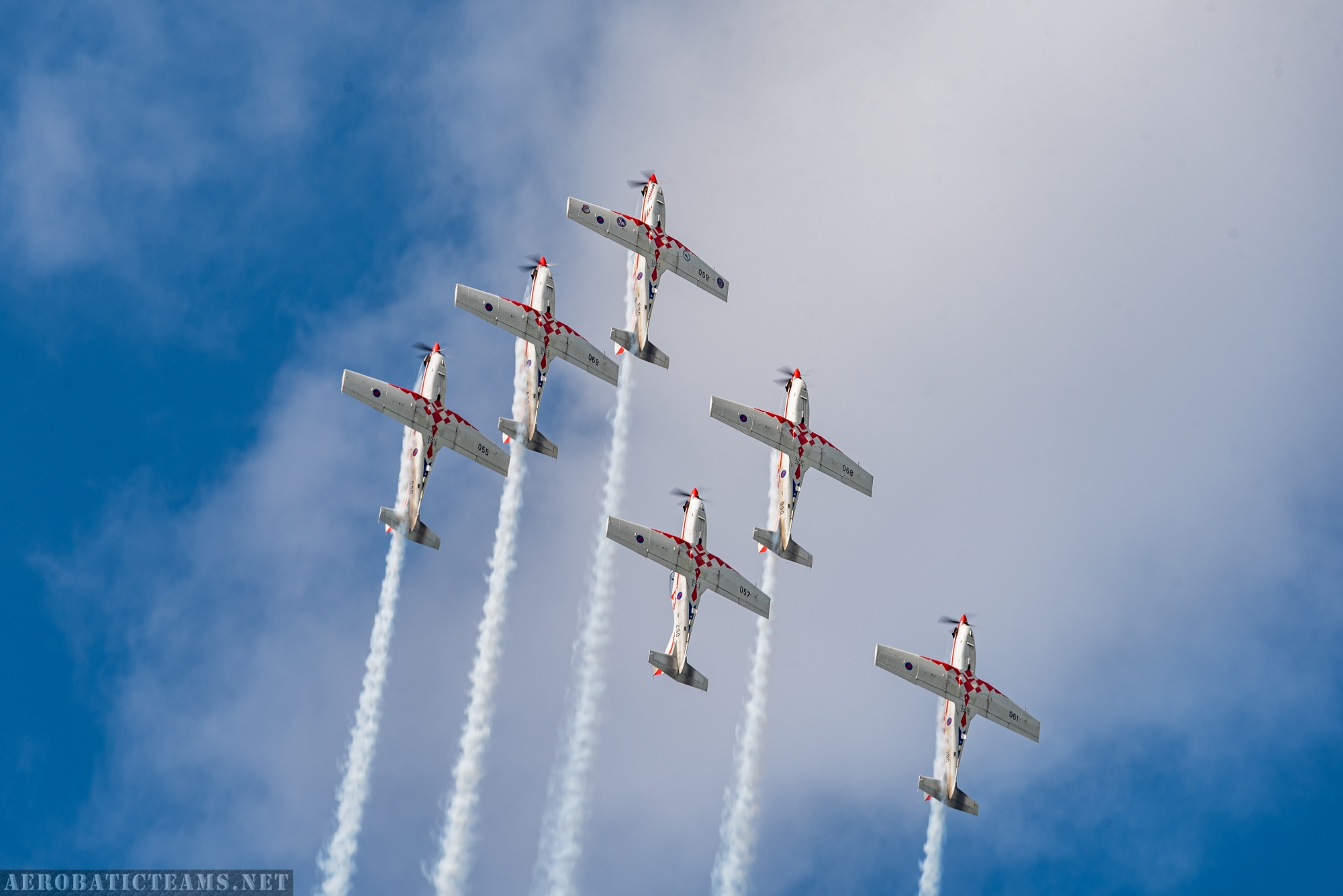
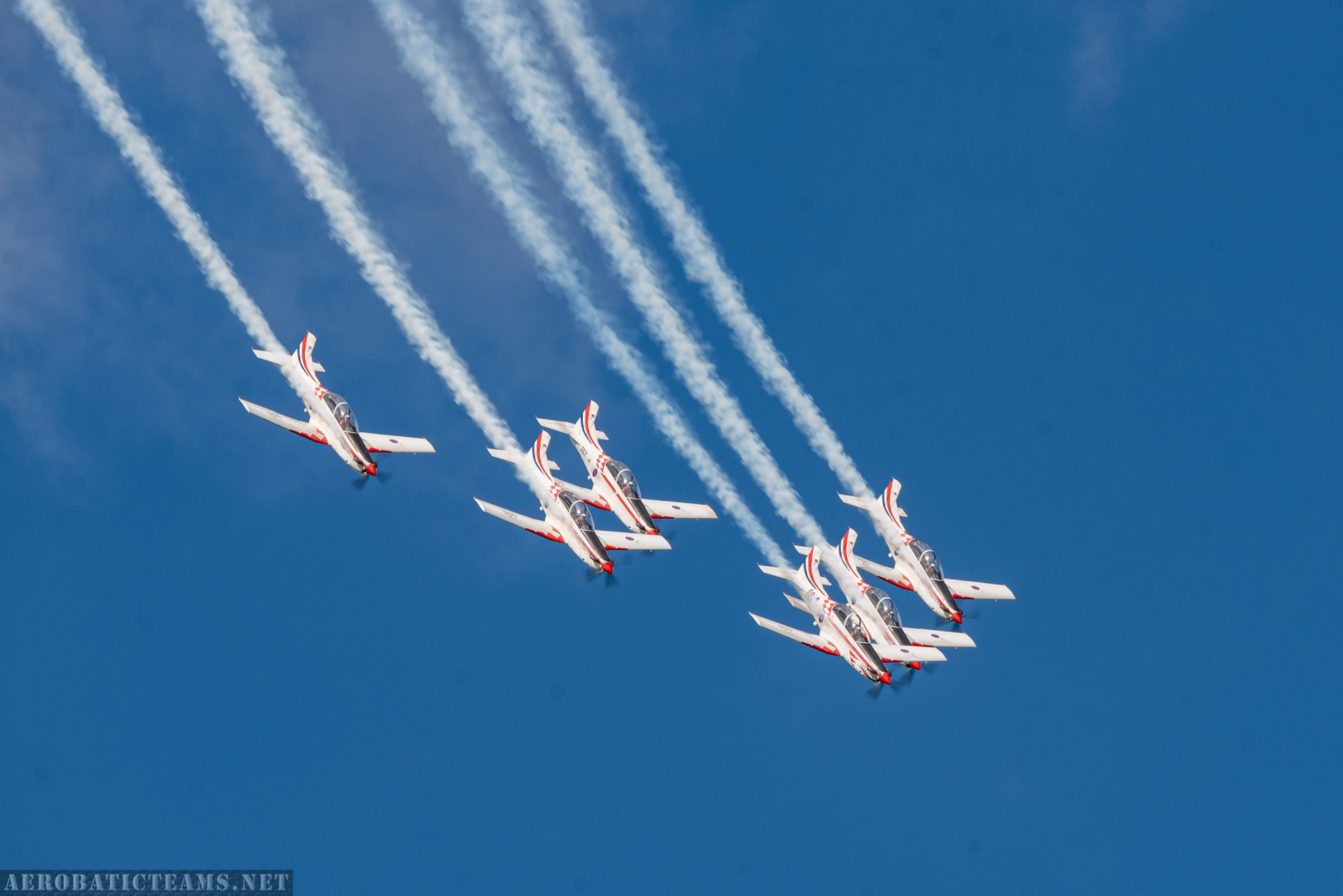
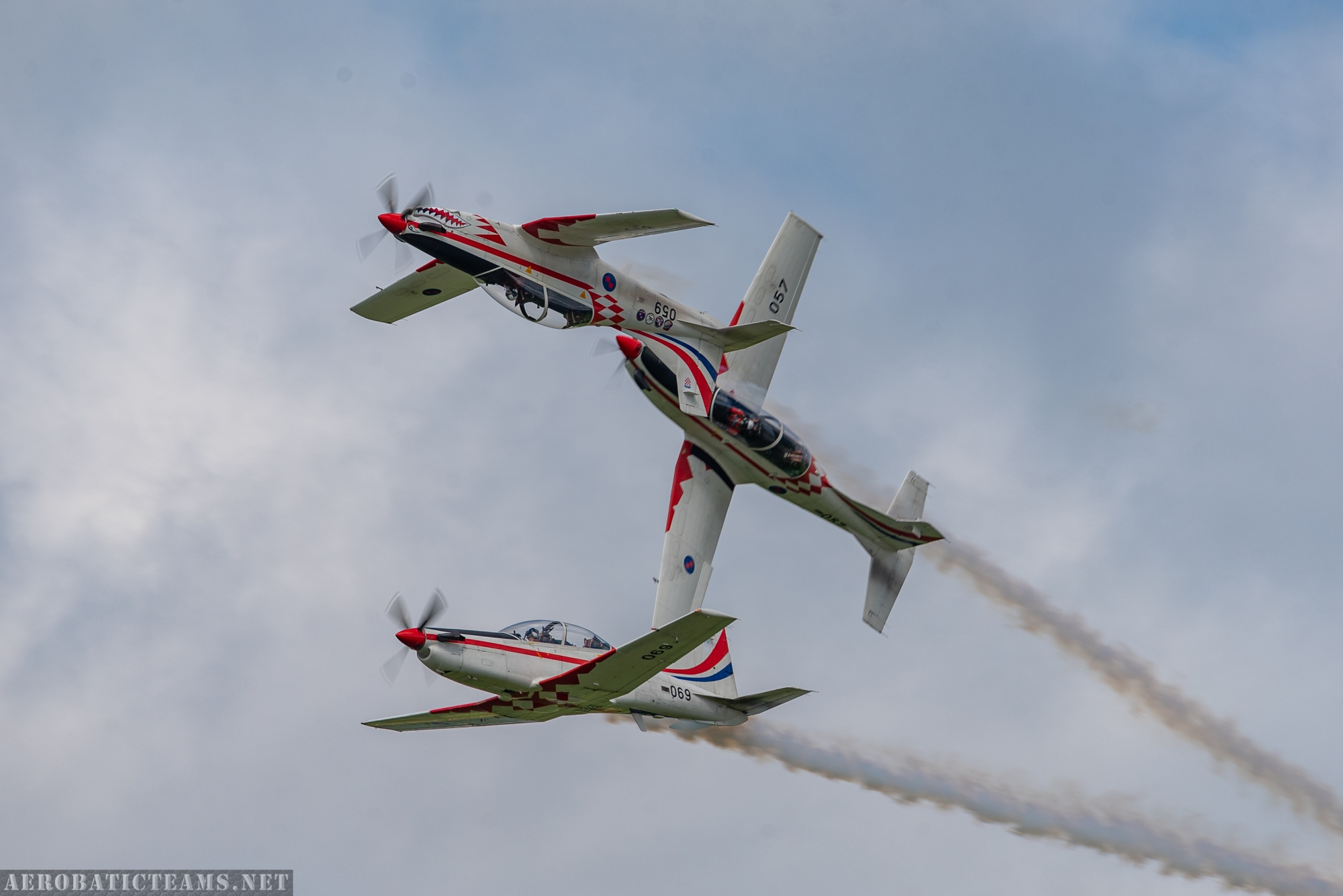
One of the most colourful formations in the programme came from Croatia.
The Krila Oluje, or Wings of Storm, Croatian military aerobatic team, performed its highly disciplined formation routine.
Flying turboprop training aircraft rather than high-performance jets, Krila Oluje demonstrates that spectacular aerobatics depend as much on pilot skill, precision and teamwork as on raw aircraft performance.
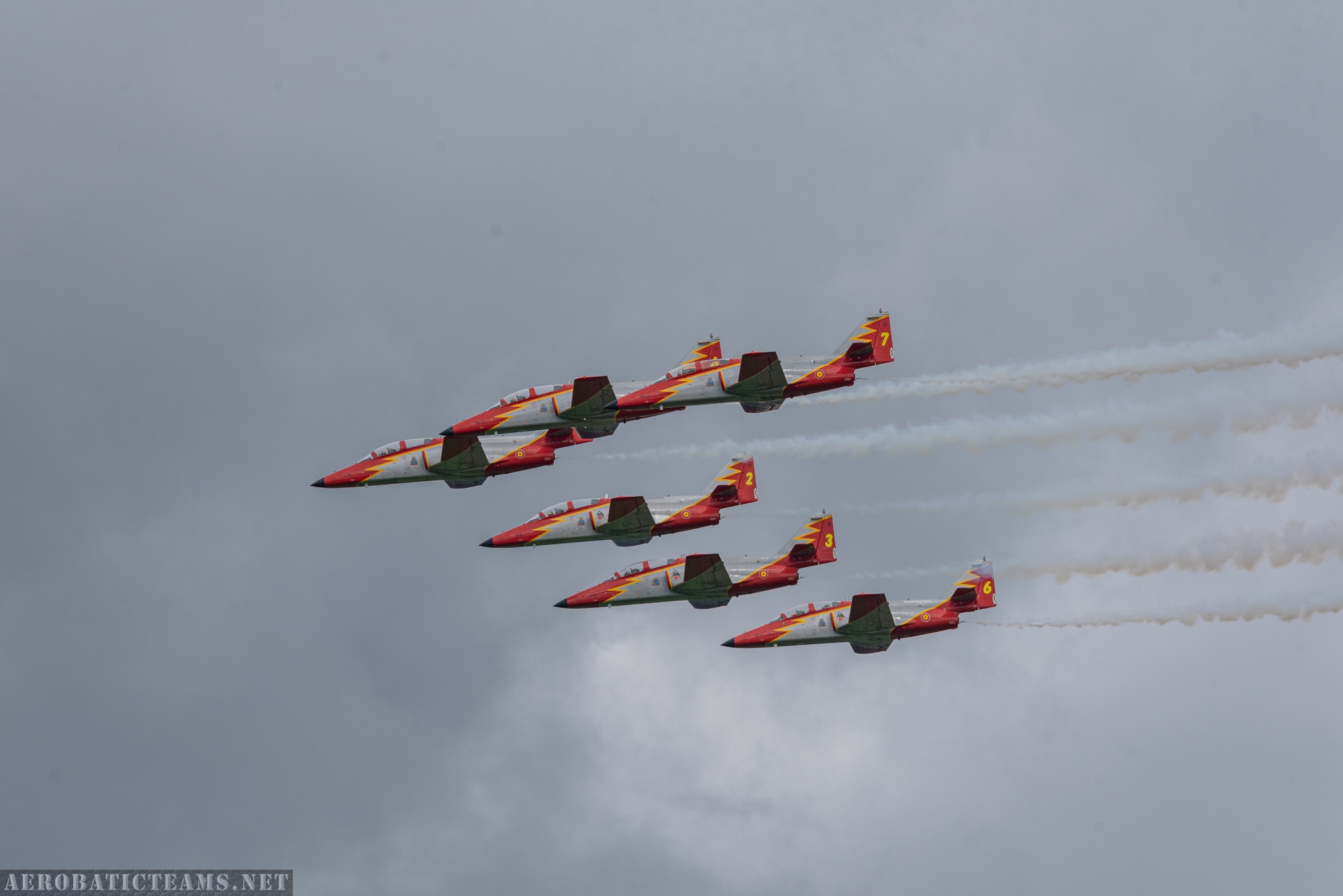
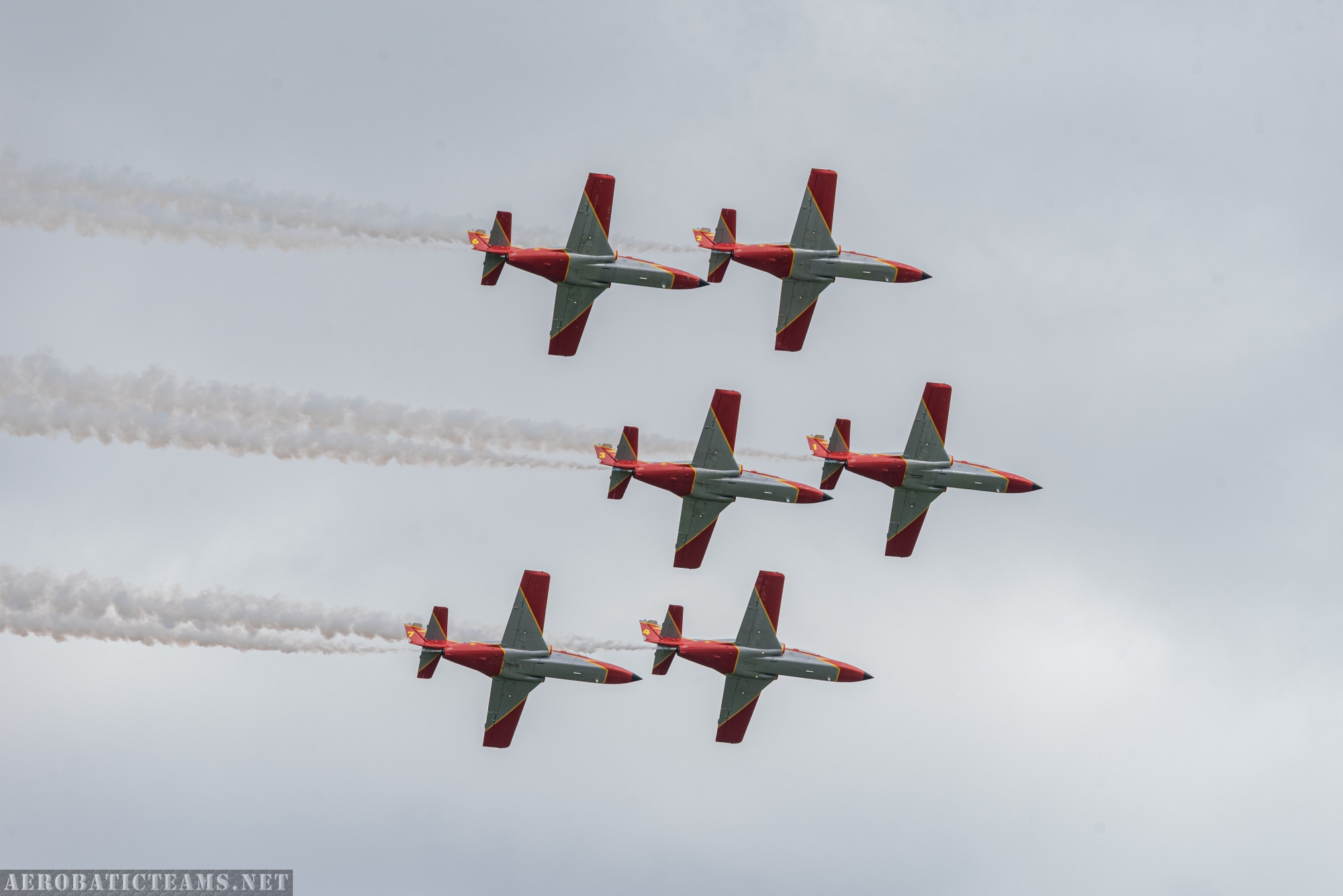
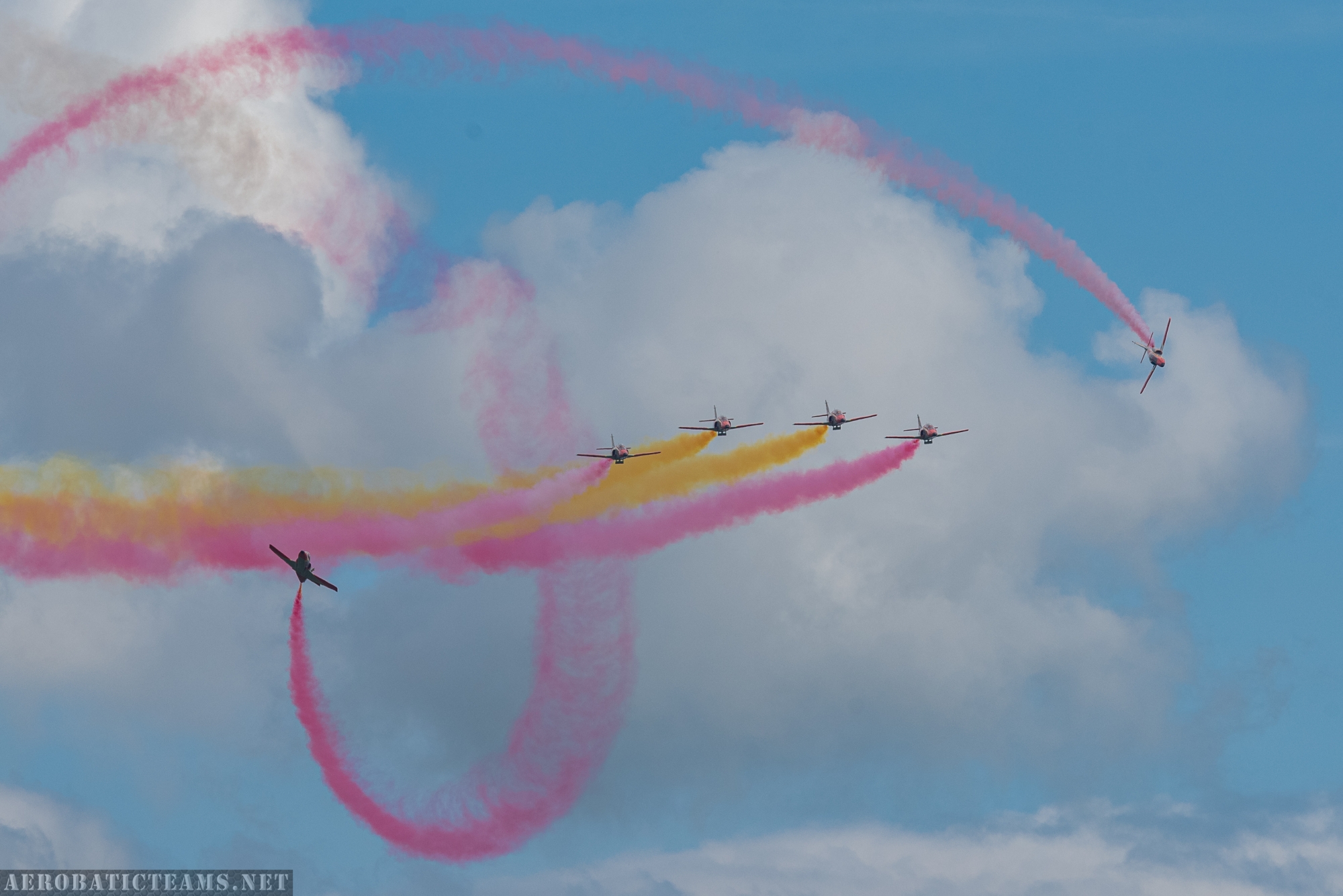
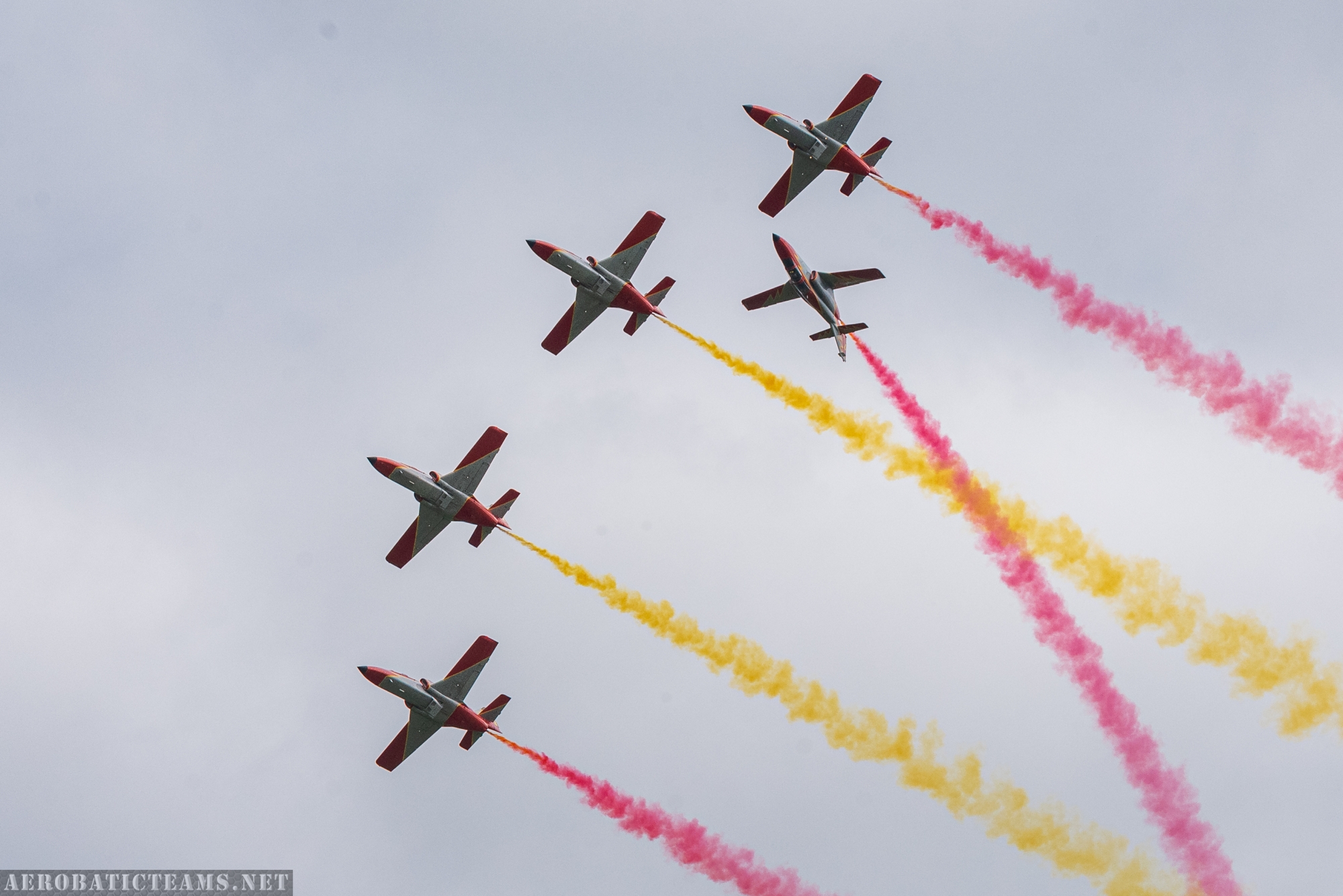
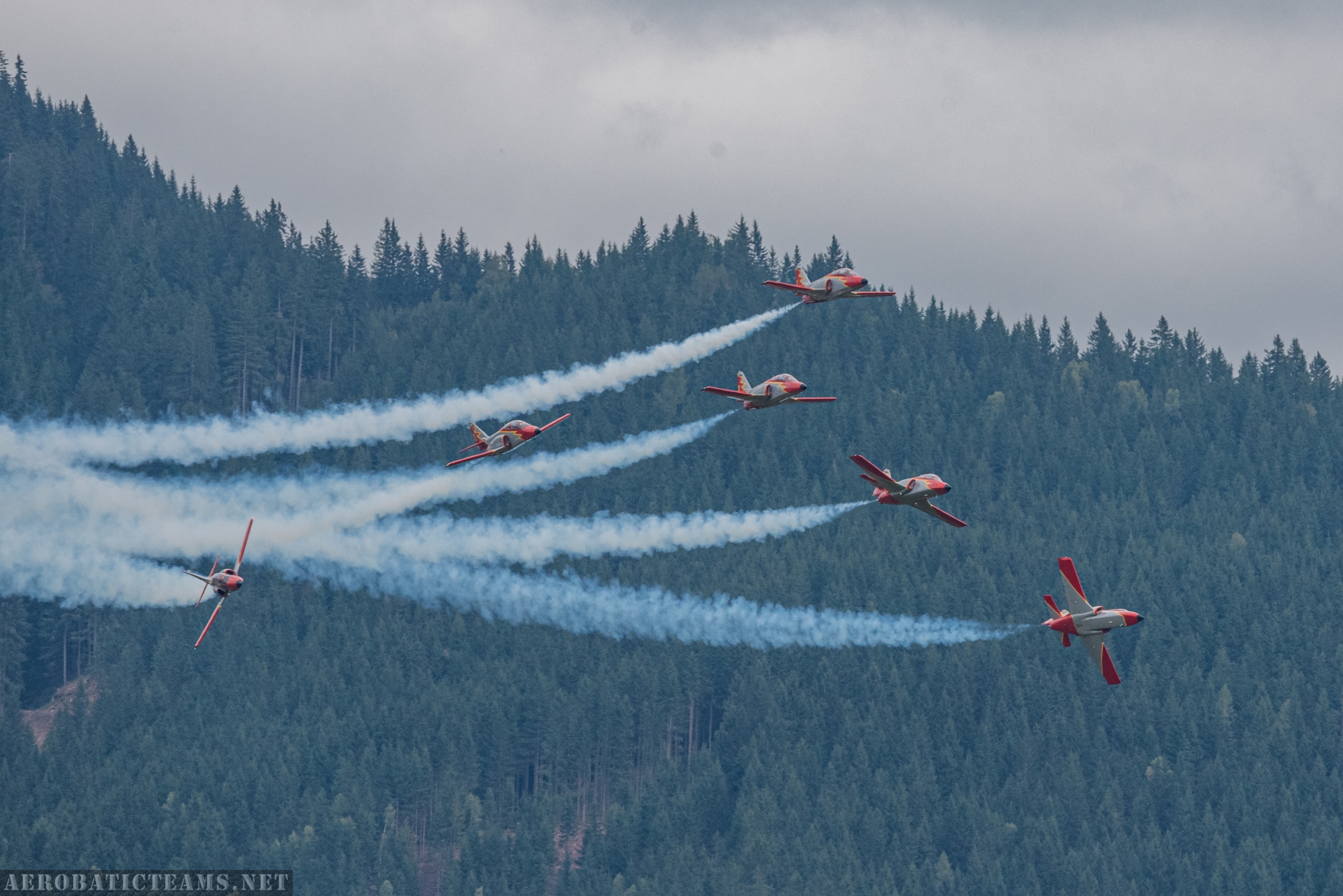
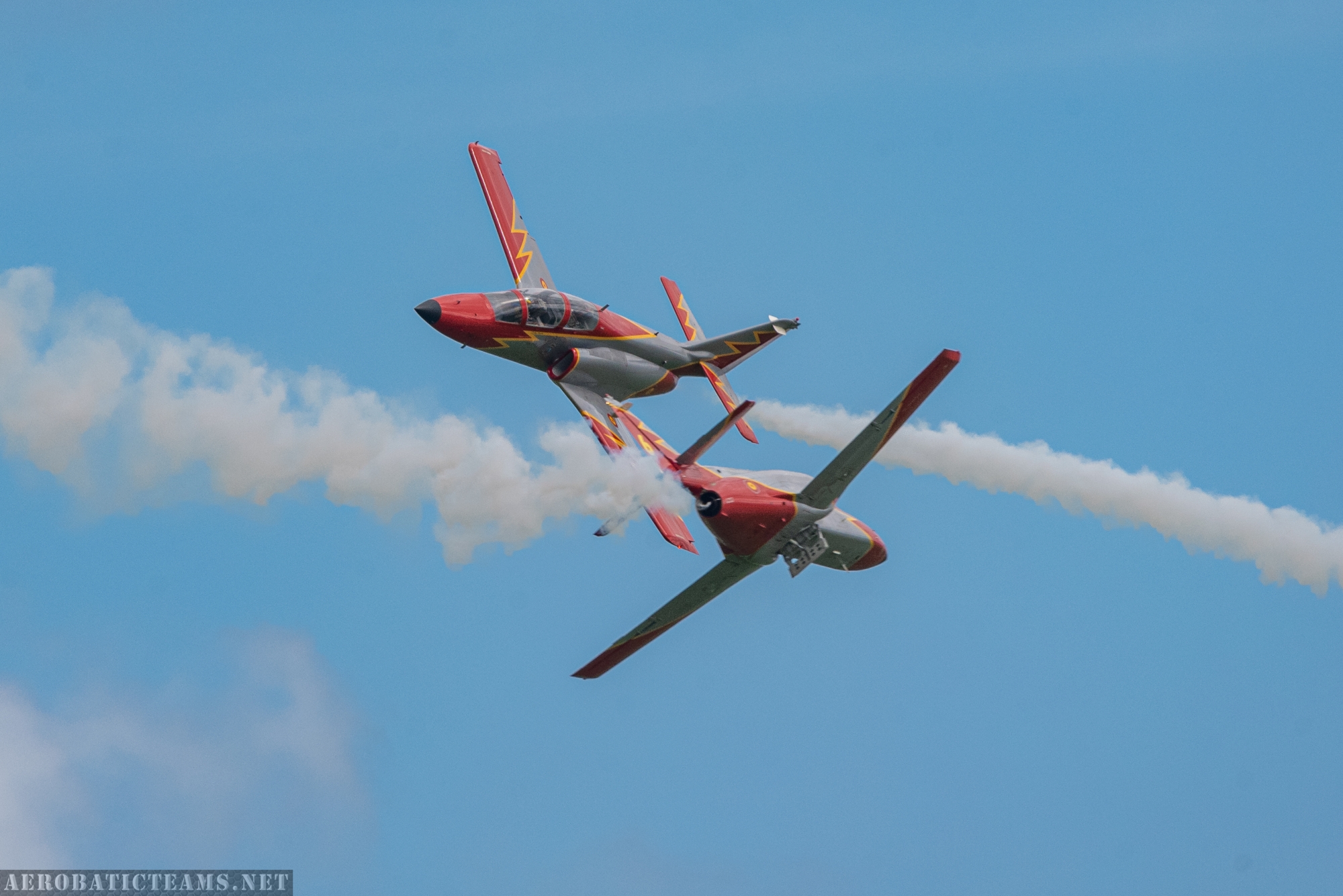
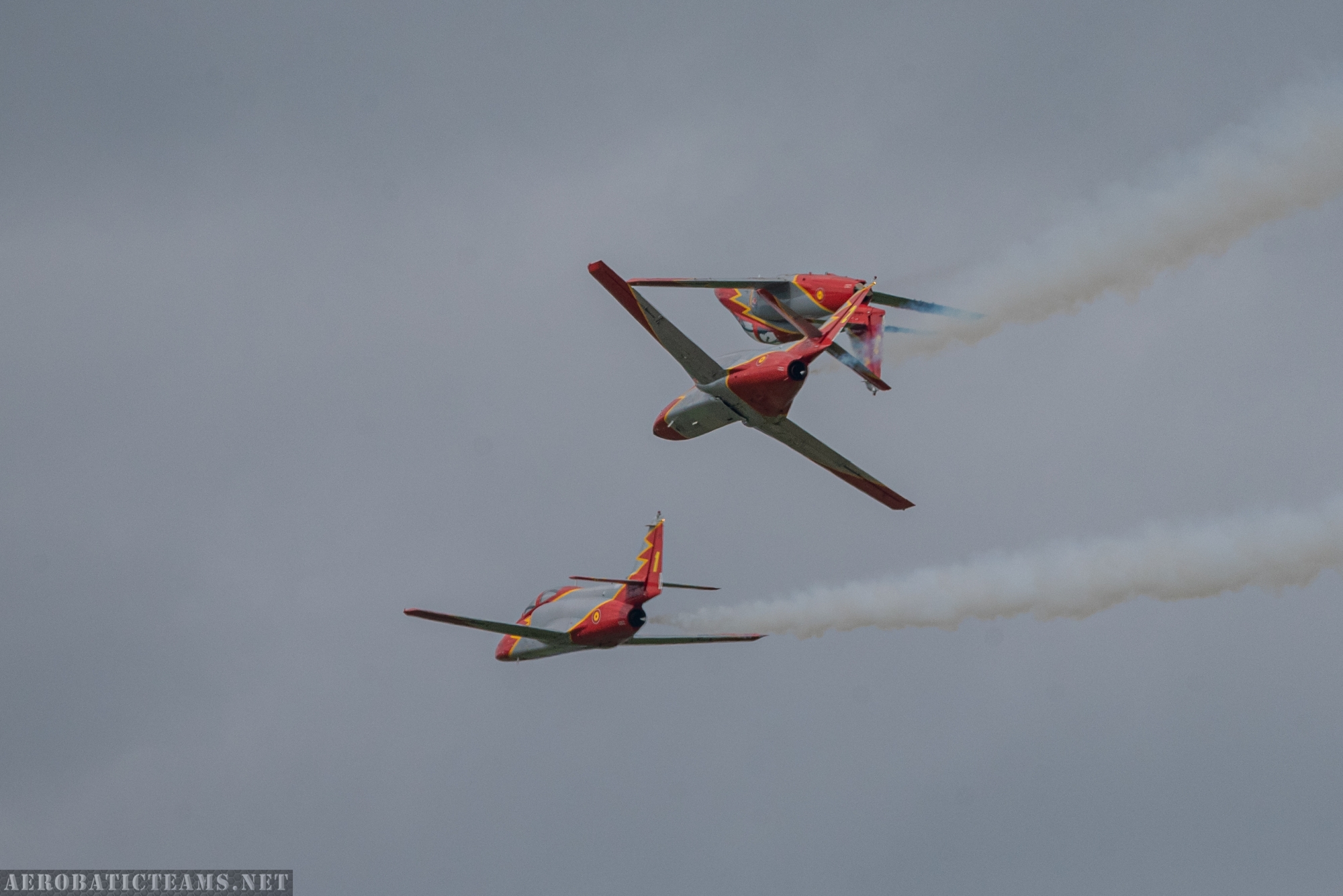
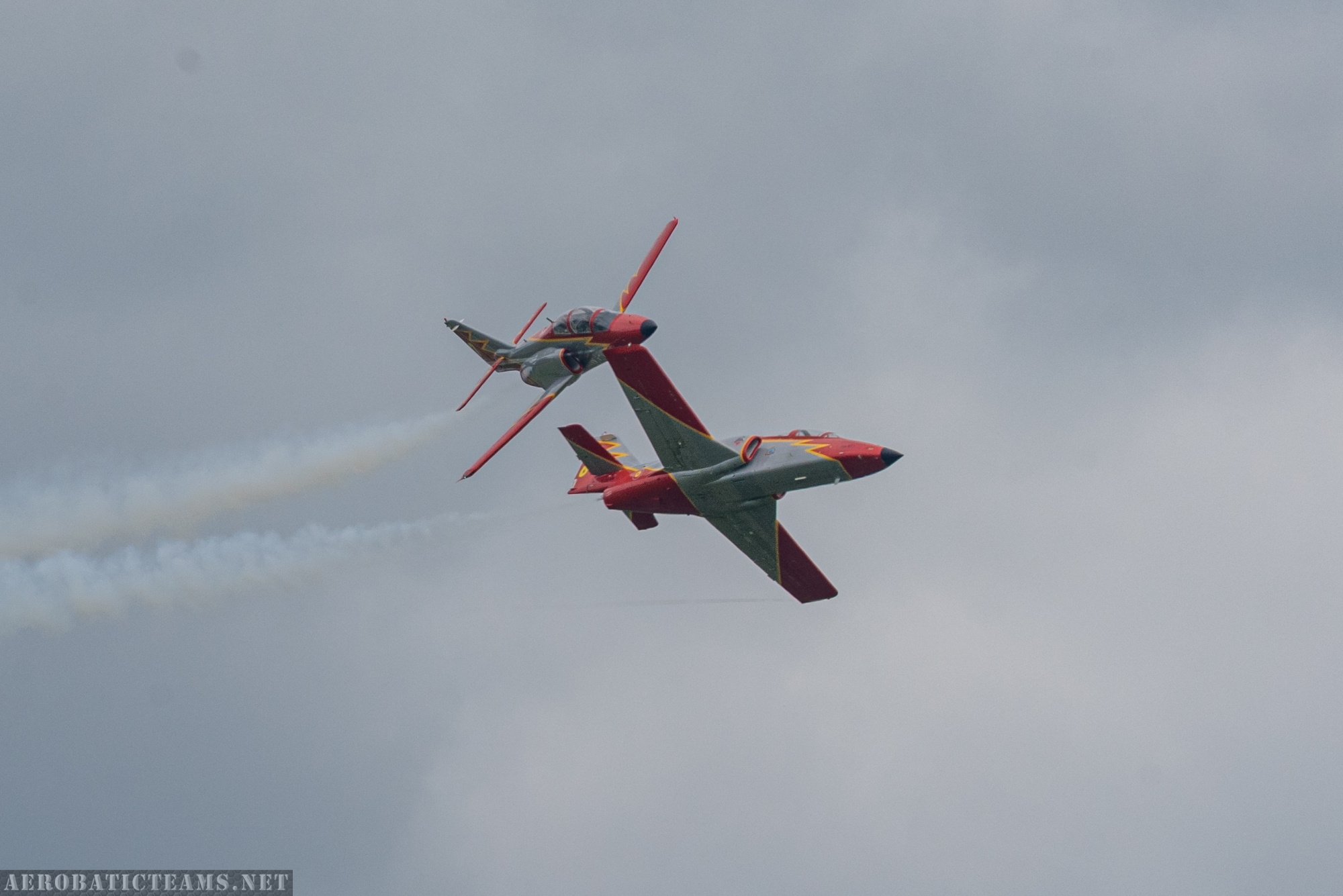
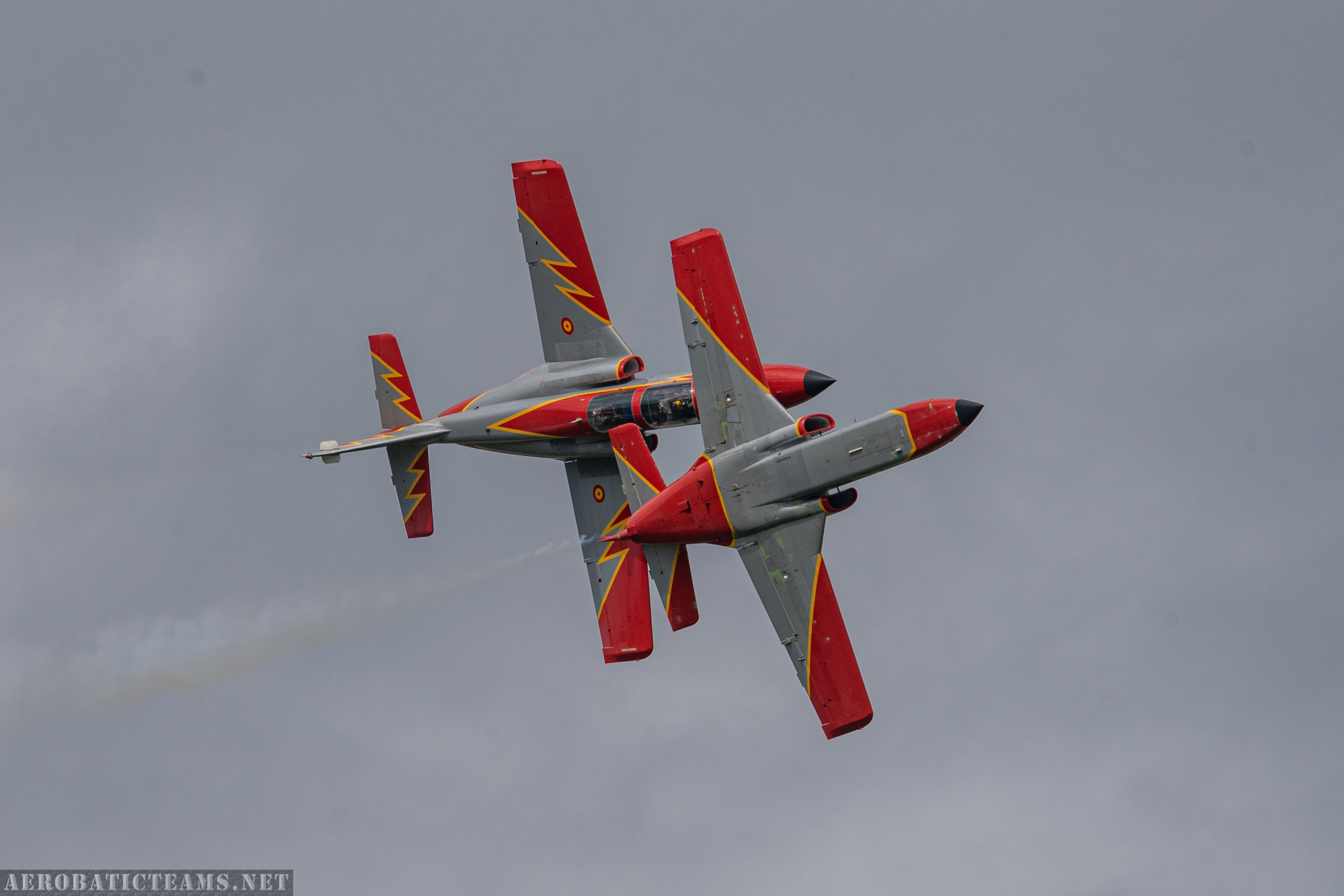
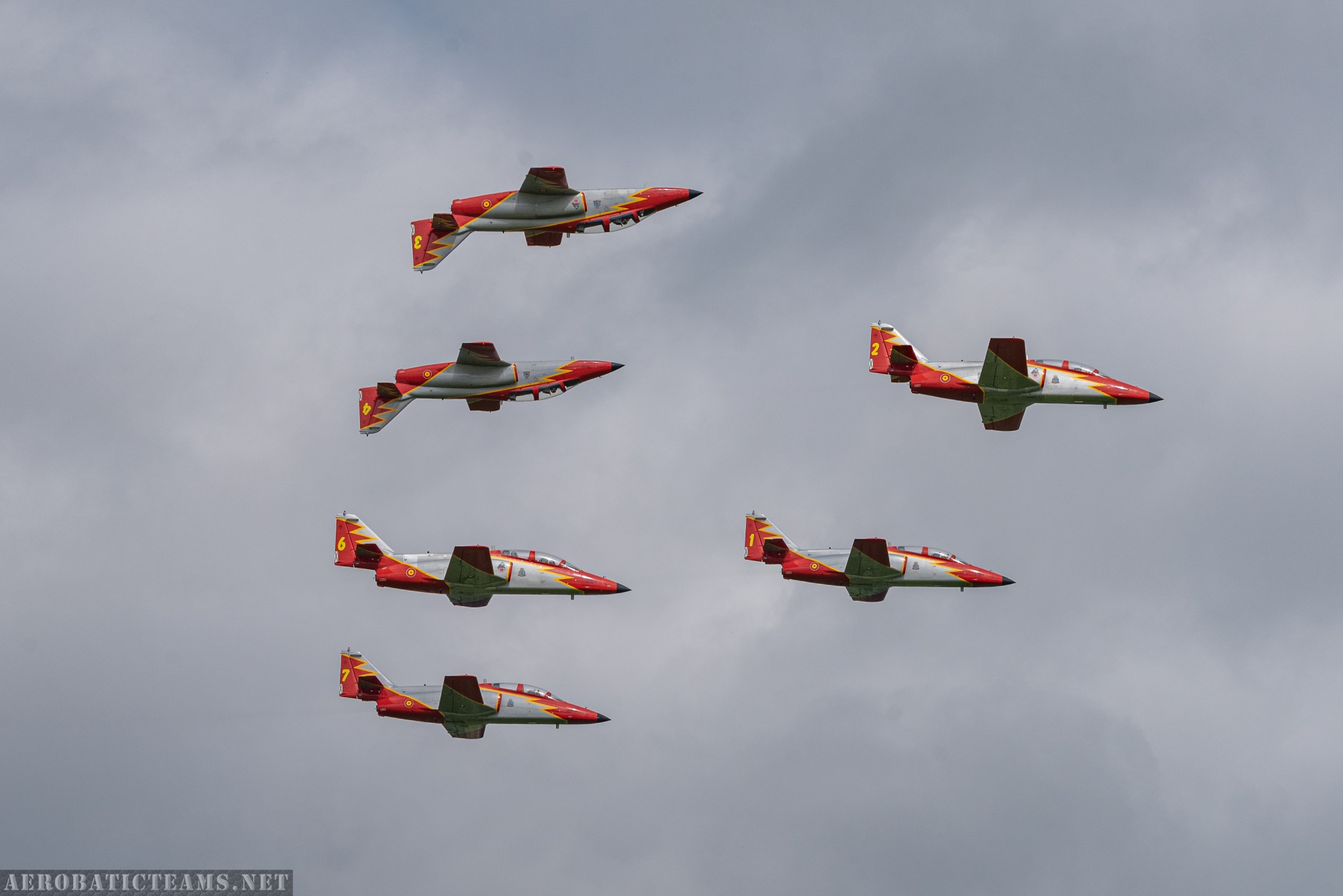
Spain was represented by the Patrulla Águila, the Spanish Air Force aerobatic team.
The team flew its characteristic formation display, demonstrating the precision associated with one of Europe's best-known military aerobatic teams.
The Slovenian Air Force contributed the Pilatus PC-9, another aircraft closely associated with pilot training and light military aviation.
The PC-9's appearance demonstrated another important aspect of military aviation: not every aircraft at a major airshow needs to be a supersonic fighter. Advanced turboprop trainers remain essential to preparing the next generation of military pilots.
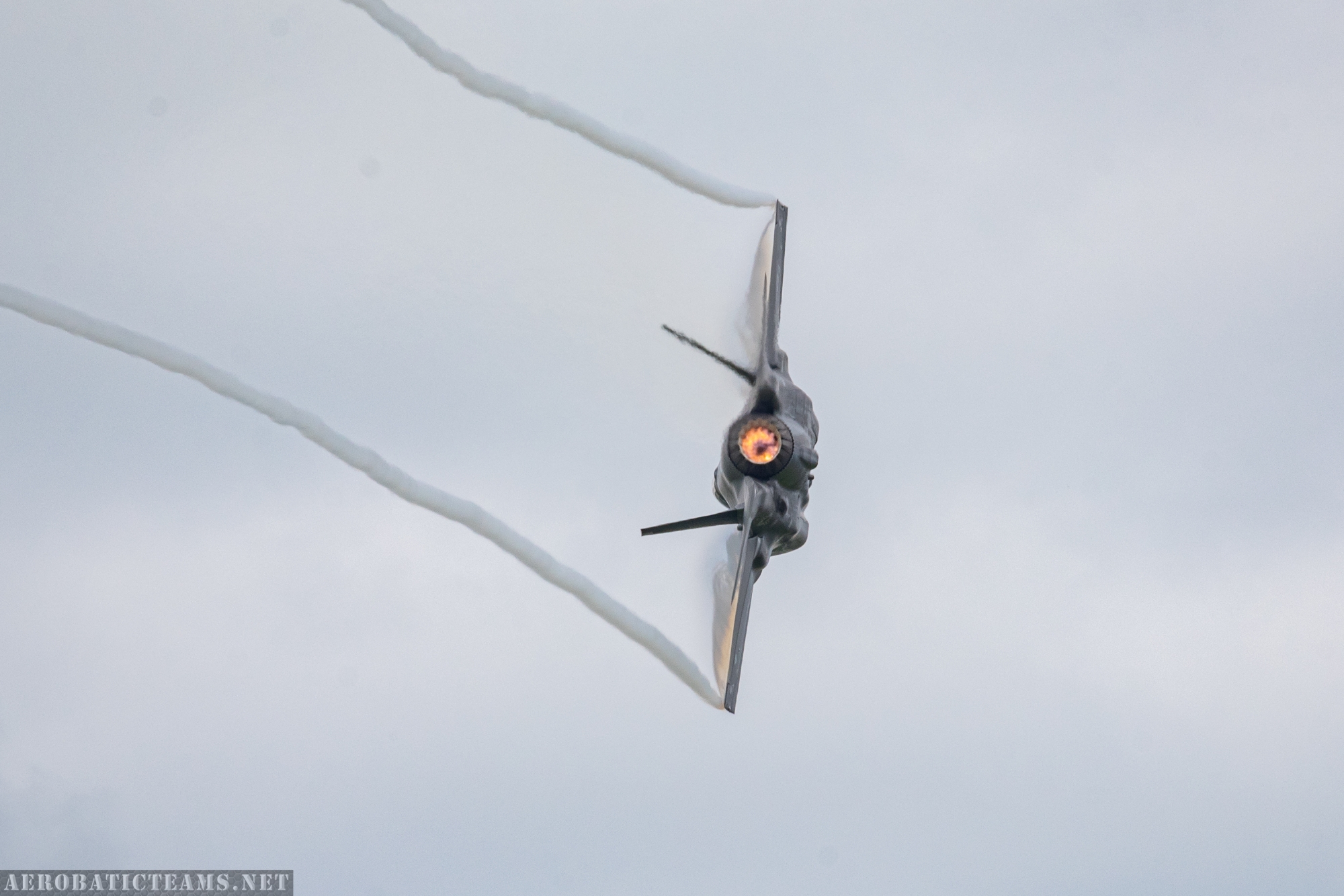
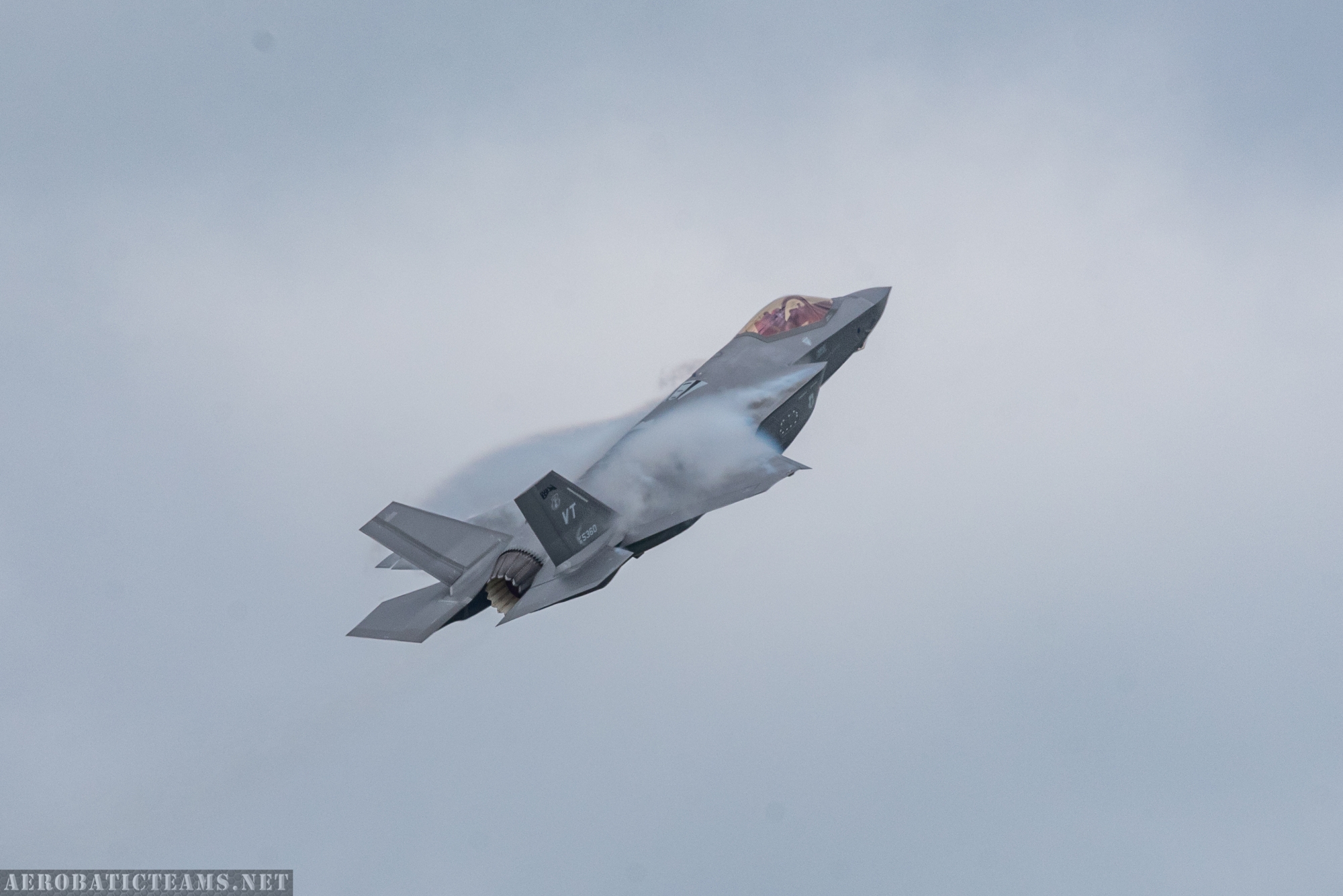
Perhaps one of the most significant modern aircraft appearances was the Lockheed Martin F-35 Lightning II.
The F-35 represented the latest generation of combat aviation technology. Its presence at AIRPOWER24 gave visitors an opportunity to see a fifth-generation fighter alongside aircraft representing previous generations of military aviation.
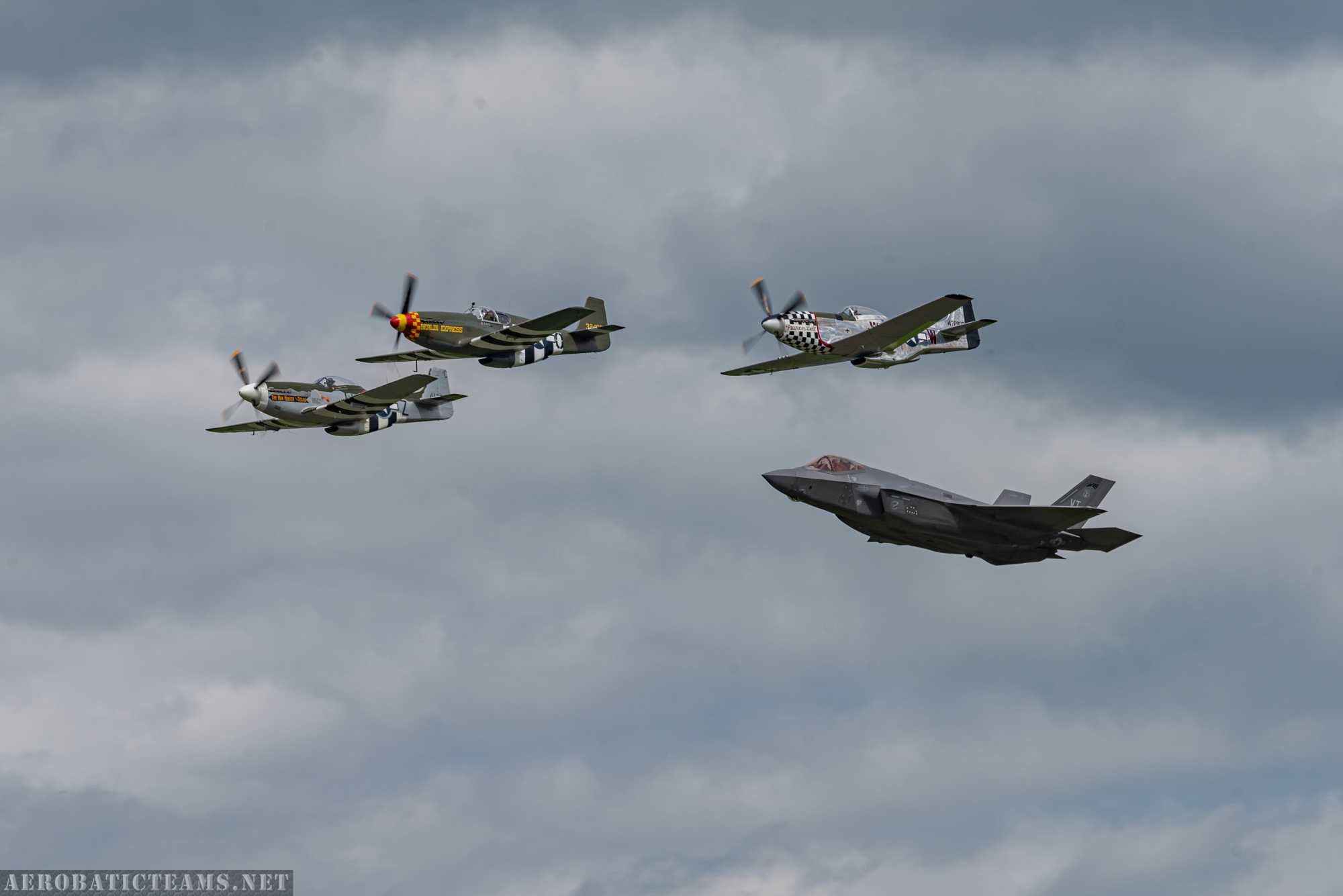
The American participation became even more meaningful when the F-35 took part in a Heritage Flight with a P-51 Mustang.
Few combinations could illustrate the evolution of fighter aviation more effectively: the piston-powered Mustang, one of the legendary fighters of the Second World War, flying together with the F-35, a highly sophisticated fifth-generation combat aircraft.
The juxtaposition of the two aircraft represented almost 80 years of fighter development in a single formation.
For many visitors, however, the most memorable aircraft were not necessarily the newest.
The Flying Bulls brought an extraordinary collection of historic and high-performance aircraft to Zeltweg. Their fleet included such legendary types as the Lockheed P-38 Lightning, North American B-25 Mitchell, Vought F4U Corsair, North American T-28 Trojan, P-51 Mustang and Douglas DC-6.
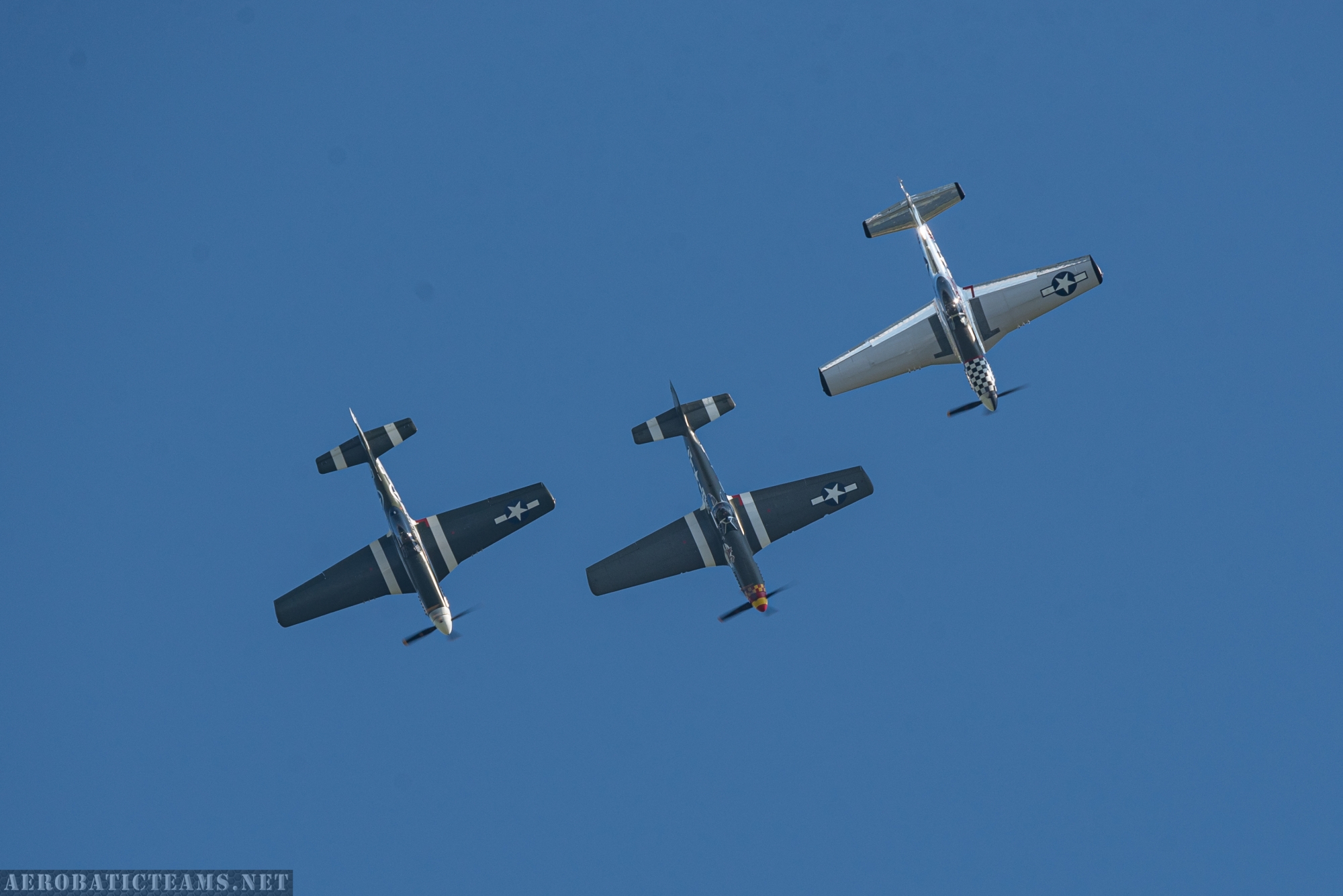
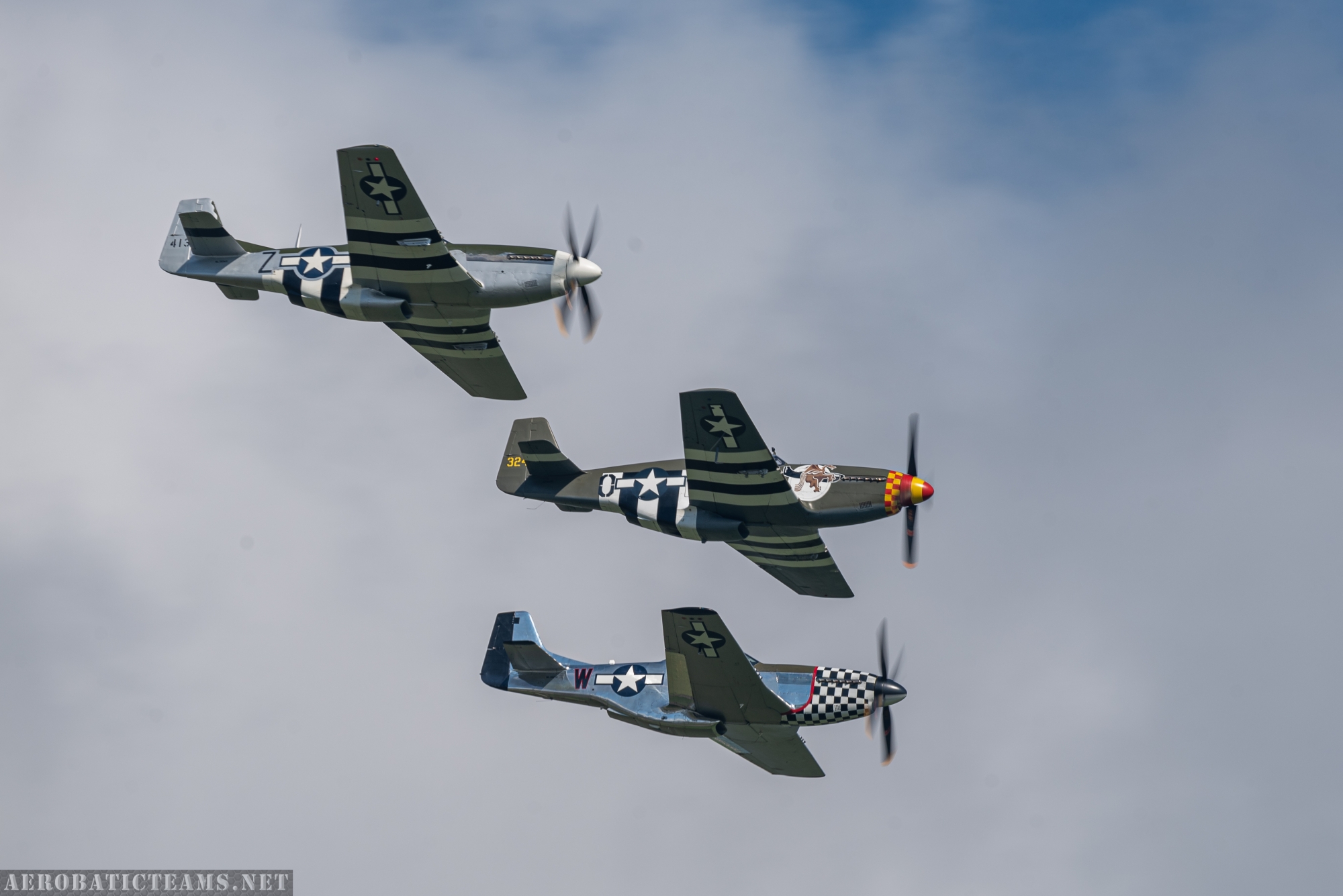
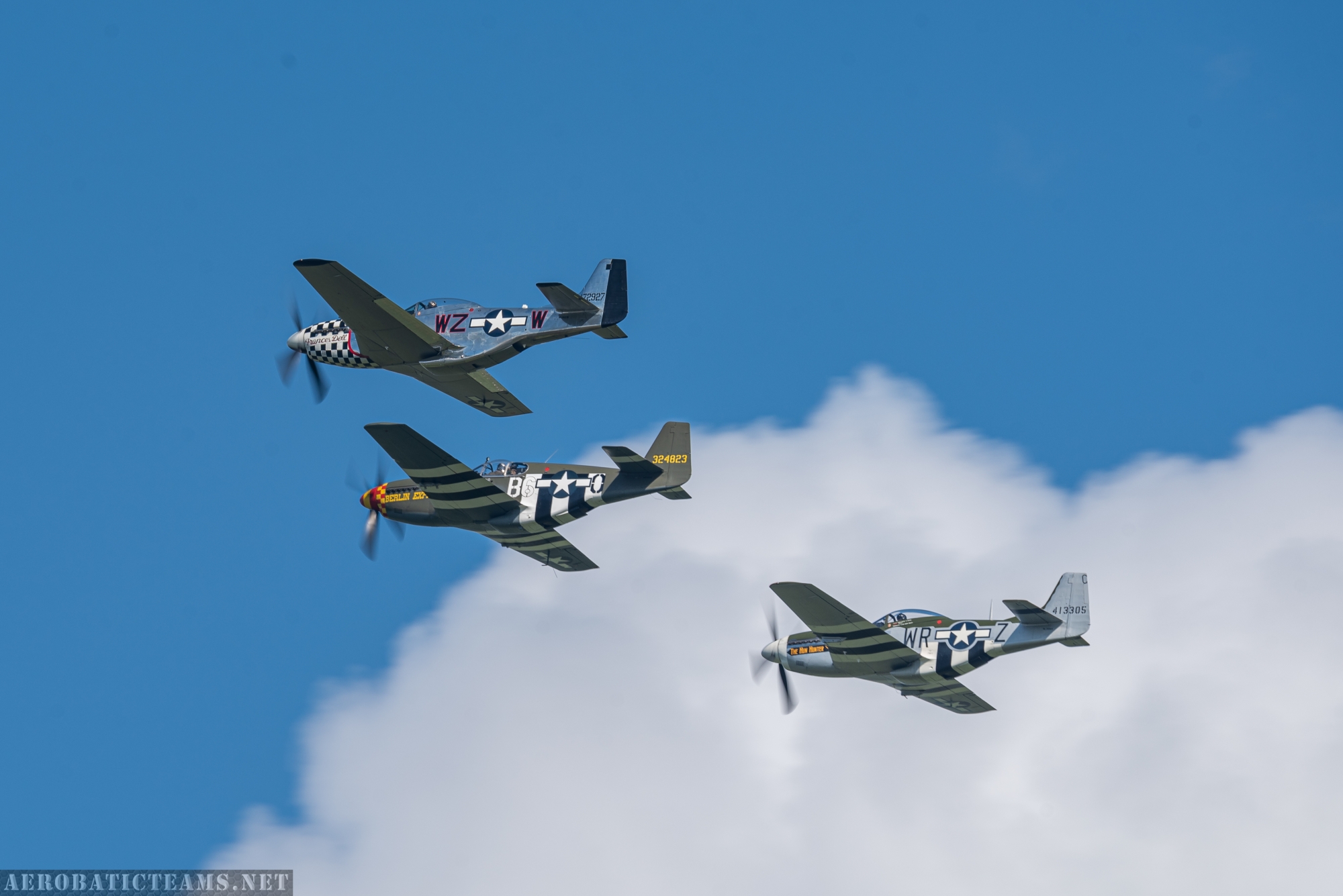
Another highlight for lovers of classic aviation was the Horsemen Flight Team.
The team brought the sound and character of piston-engine fighter aviation to Zeltweg with its P-51 Mustang formation.
The Mustang remains one of the most recognisable aircraft of the Second World War, and seeing several examples operating together provided a dramatic contrast with the modern fighters performing elsewhere in the programme.